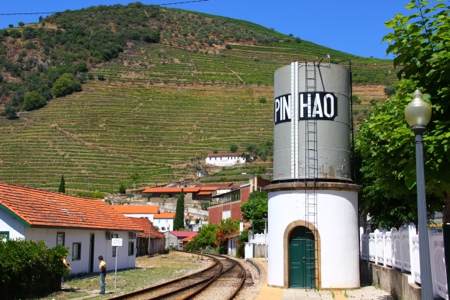
And she was right, of course. (“She” being the most gracious host at Quinta do Crasto.) Wine makers in Portugal face totally different economic, agricultural and regulatory environments than we might face at the western edge of the new world. But I think there are more similarities than might be evident at first glance. Wine makers in the Douro valley – at least those who we have met near Pinhao – are trying to both find an identity consonant with their heritage, as well as a way of expressing their place and wines in a modern way. Grapes In this region are most often relegated to Port. For lovers of fortified wine, this is a beautiful thing, and rightly so. But we (as many before us have already done) find such depth, enthusiasm and potential in the table wines of this area to recollect the potential realized two or three decades ago in my home town. (I would really like to stop the allusions and similes to California, but I simply cannot help it – this is the California of my youth: small roads, few tourists, ascendant wines yet unknown.) Blends have changed, viticultural techniques have changed and the idea of what it means to be from the Douro have changed. “Table” wines – non-fortified wines – from this region have a place in the future that should equal the prevalence of white Spanish wines from Penedes or Duero, while the red wines – at least the best of those tasted today – will certainly equal Rioja and the Rhone. Different stylistically and in terms of their ambition, perhaps, but equal in potential.
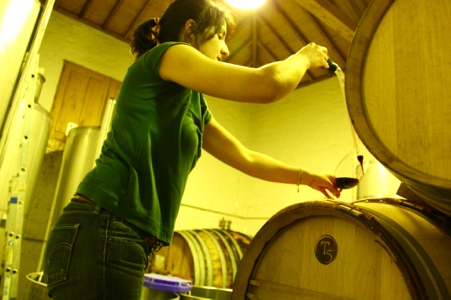
The whites of Quinta de la Rosa and Wine & Soul are reminiscent of our favorite Rhones: with a floral “head-fake” suggesting a semi-dryness that materializes instead in a wonderful, refreshing cleanness. And both they and Quinta do Crasto are making reds of such balance and elegance that one easily forgets the heavy, pedestrian and alcoholic reds for which Iberia was once known. I find it interesting that a wine region known for fortifying its wines to make a product that would survive the rigors of shipping is now, in its highest expression, banking the future on foreigners accepting and adopting the expression of this steep, terraced and hard-to-work land as something that should be enjoyed aside the finest meals and most-special of occasions. Personally, given what we have experienced over the last two days, I believe that the wines of the upper Douro are certainly worthwhile candidates for our next “special event” or even wine-versus-beer dinner.


 AlAndLaura