L’Provence. Lavender. Rosé.

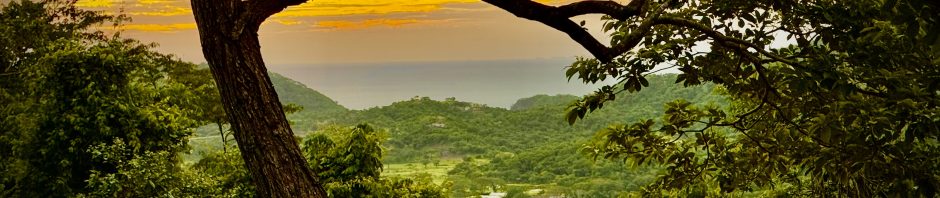
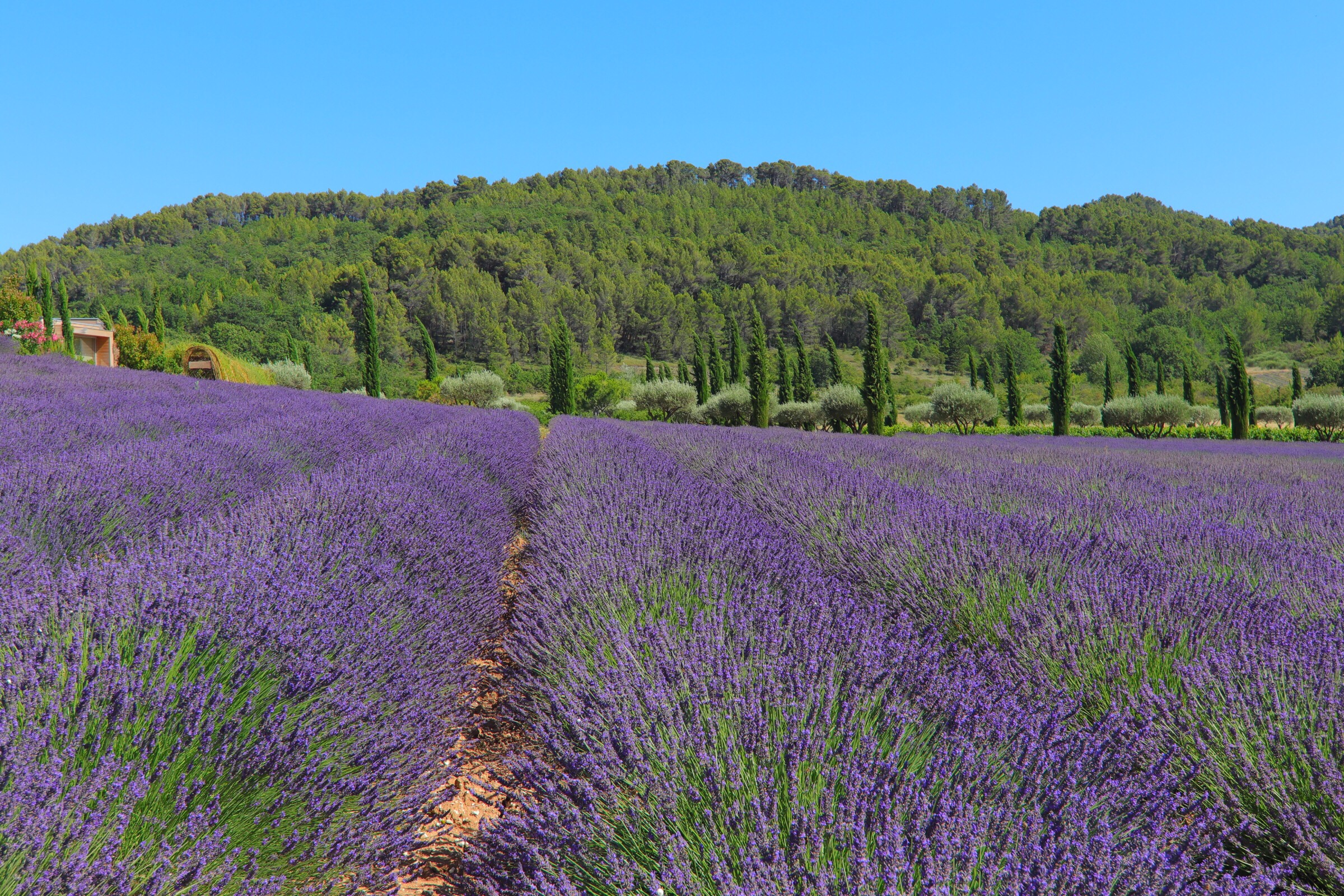
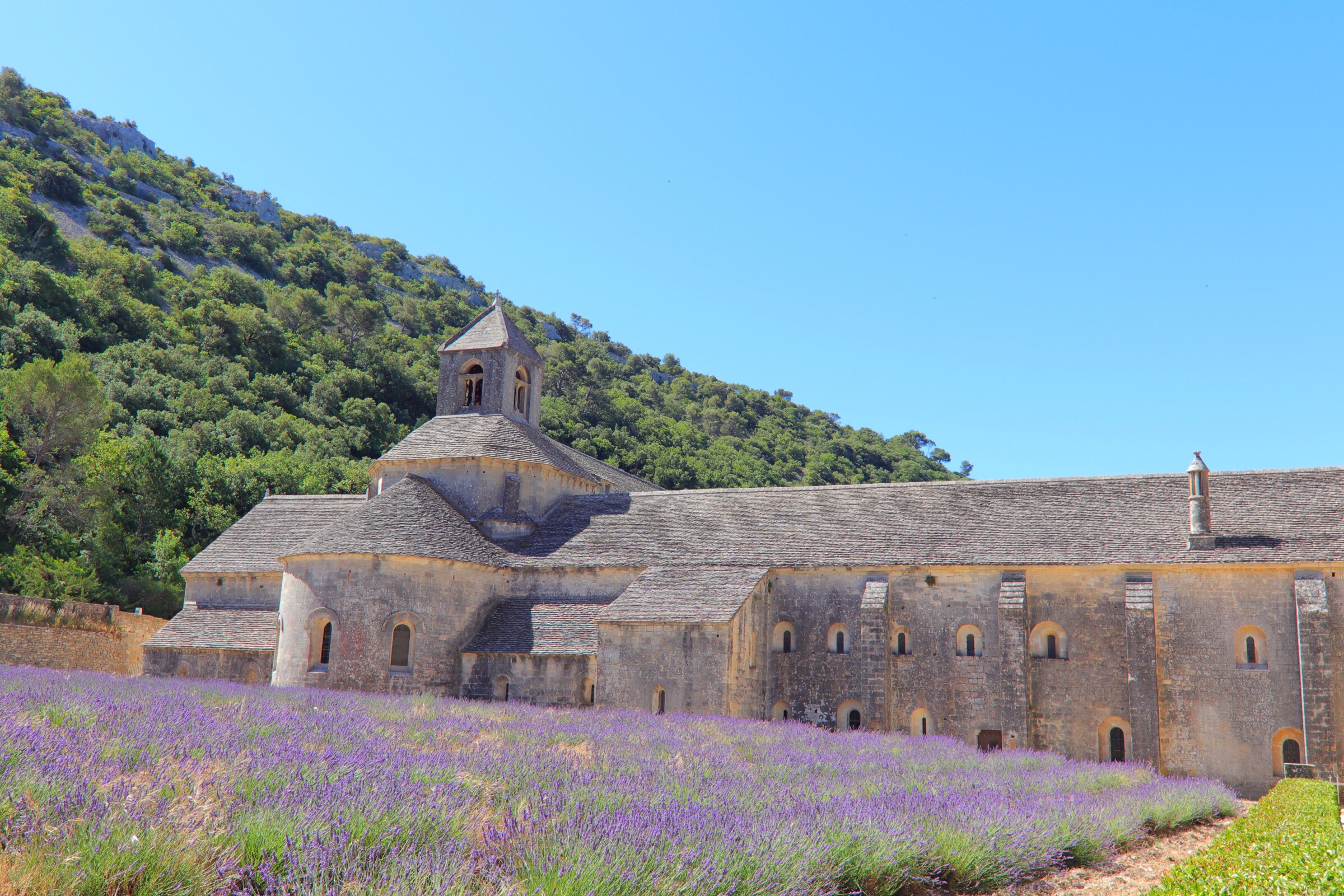
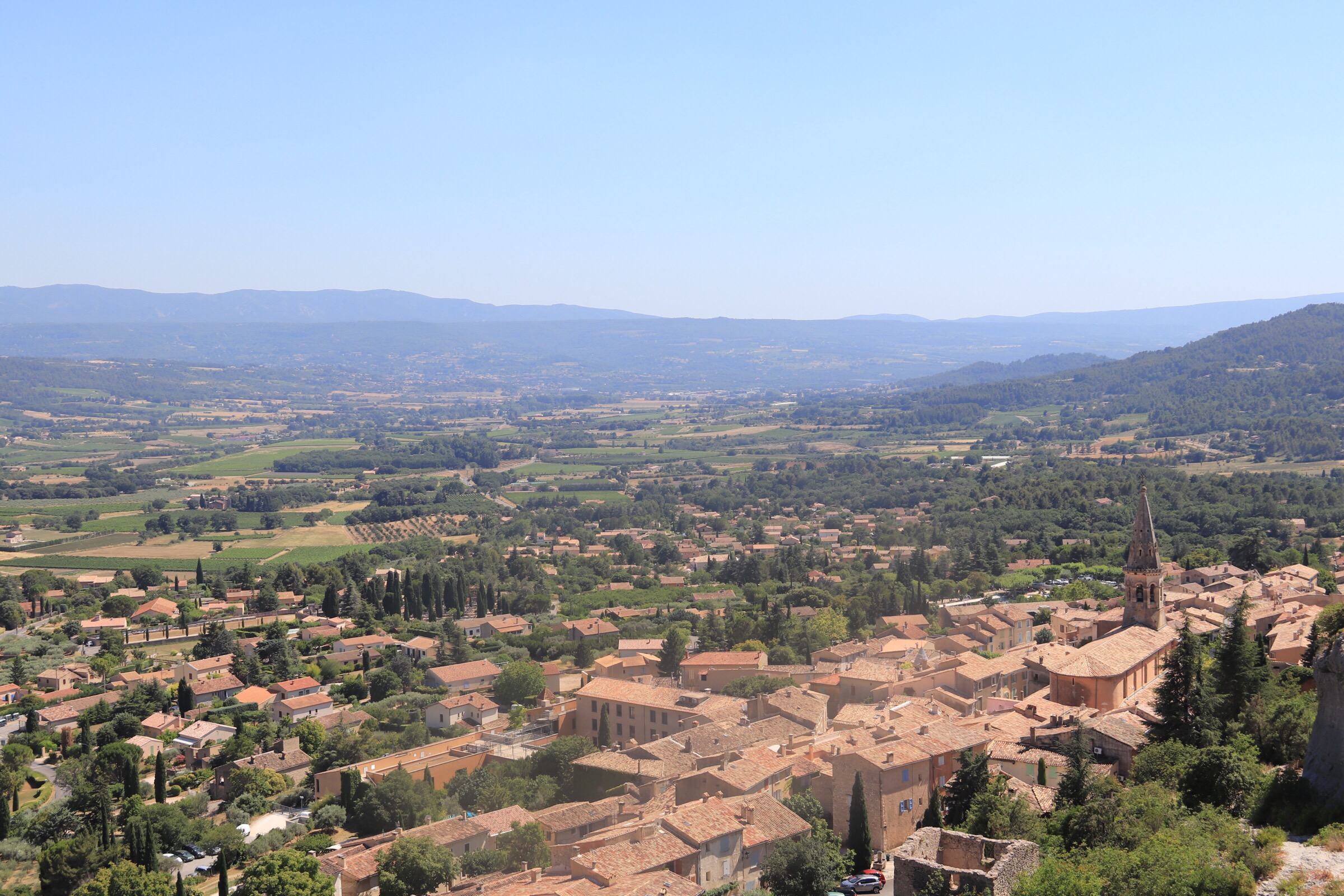
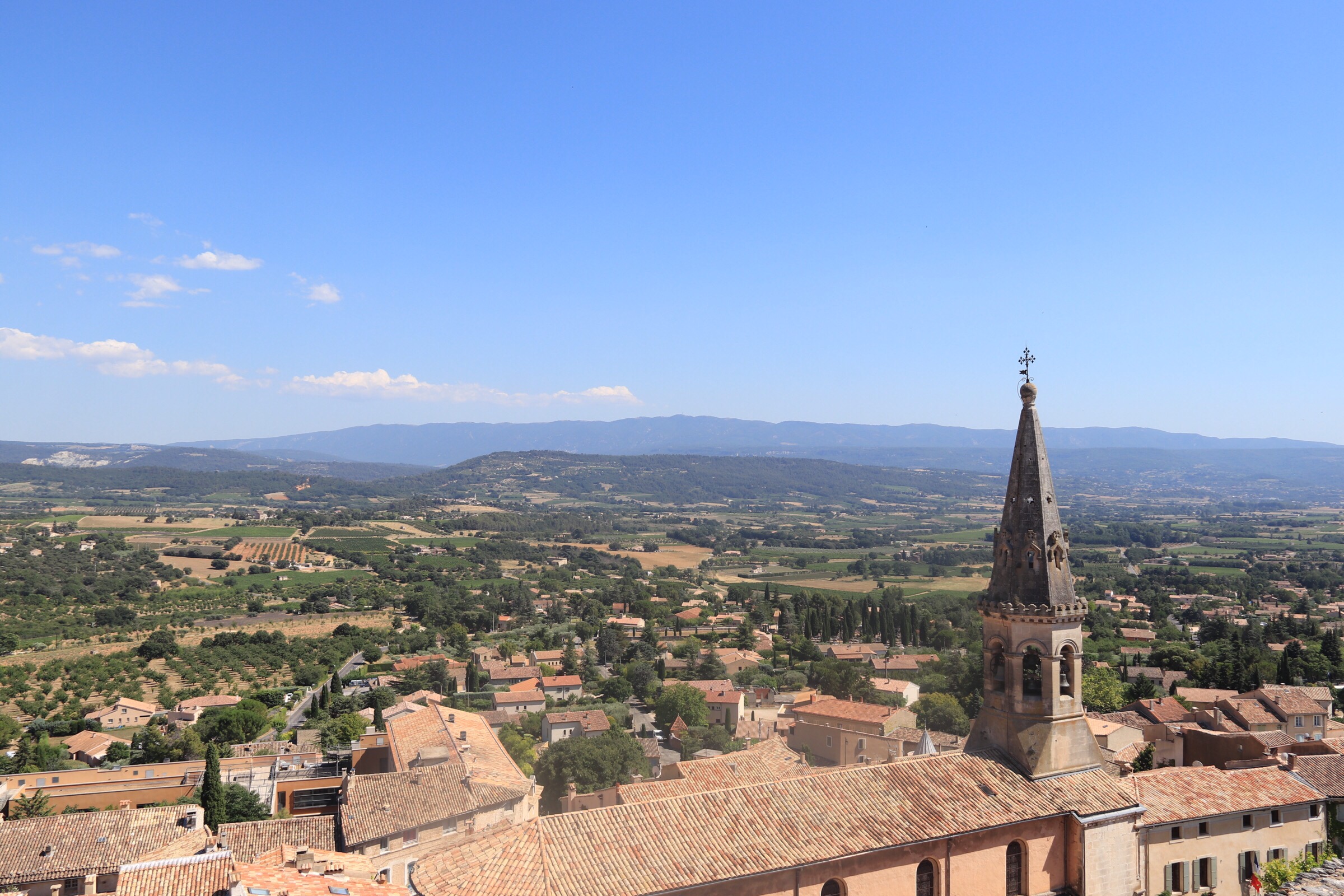
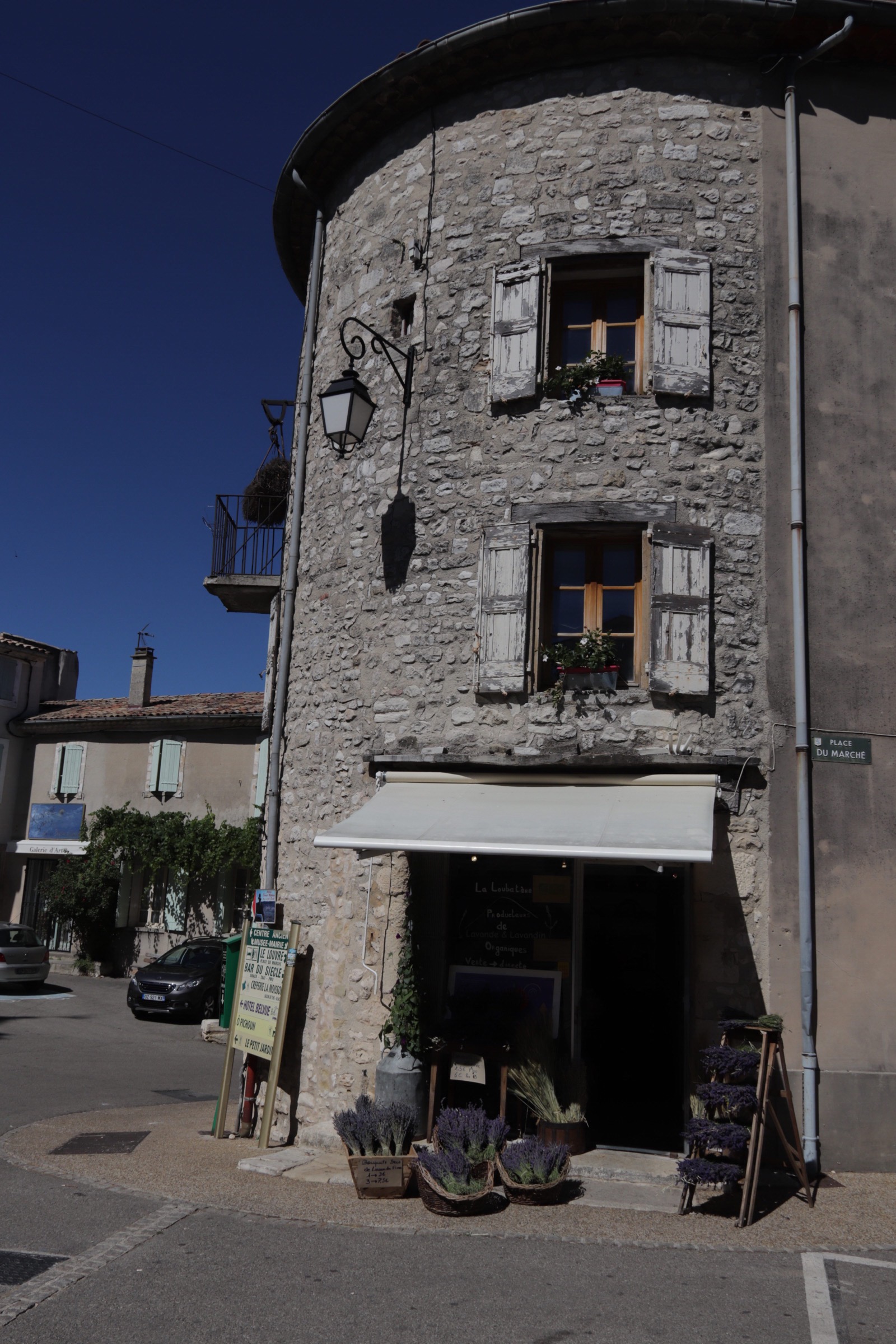
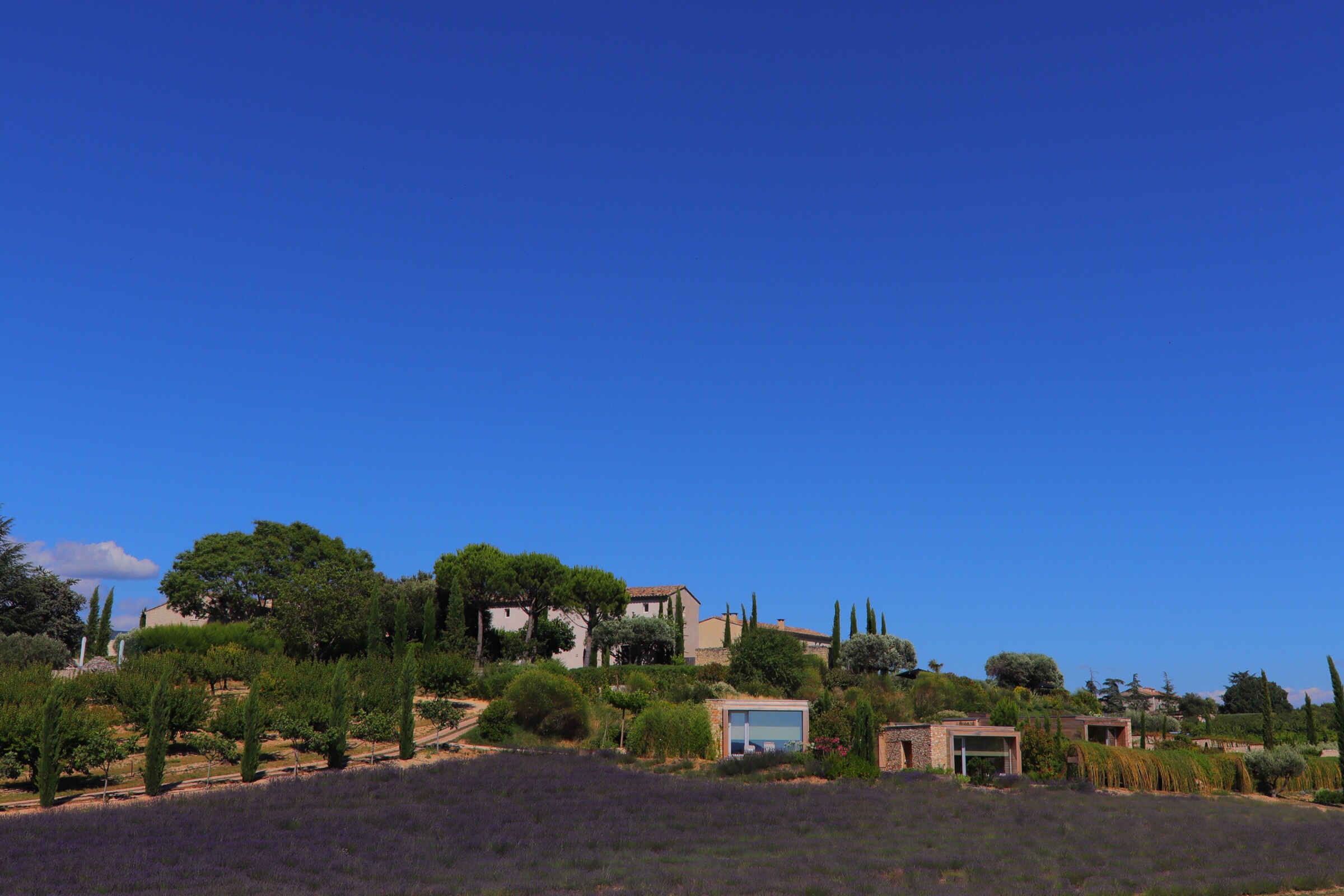
Ok so I (Laura) have to admit, seeing the lavender fields at the height of their bloom has been on my bucket list and oh my goodness I have been rewarded. Having never been to the south of France before we both thought it looked like Italy (or what we think Italy should look like!). Golden and red hues everywhere (a welcome change from the (admittedly drizzly) northern Rhône) and lots and lots of lavender fields. The steep slopes afforded amazing vistas were everywhere we looked. 


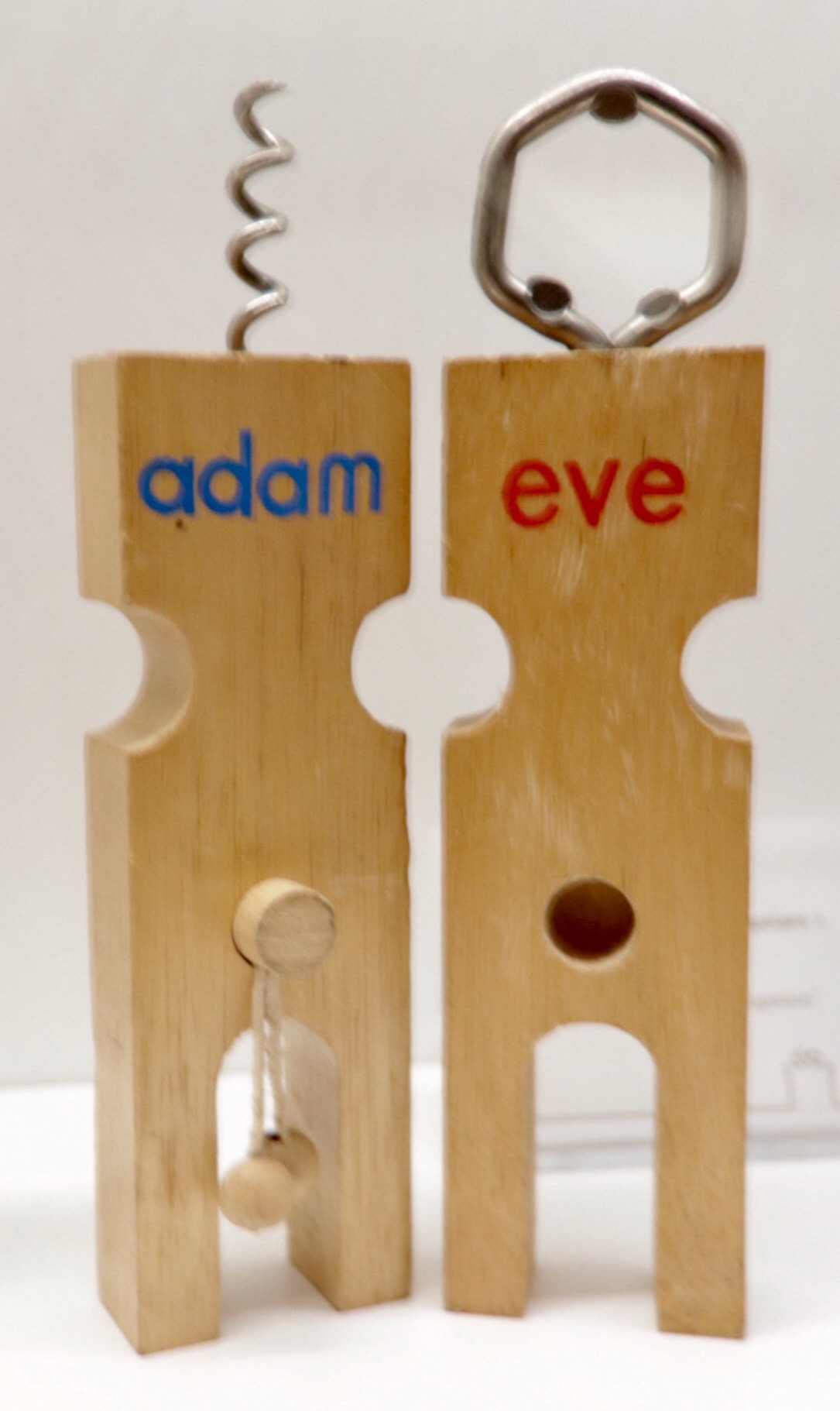
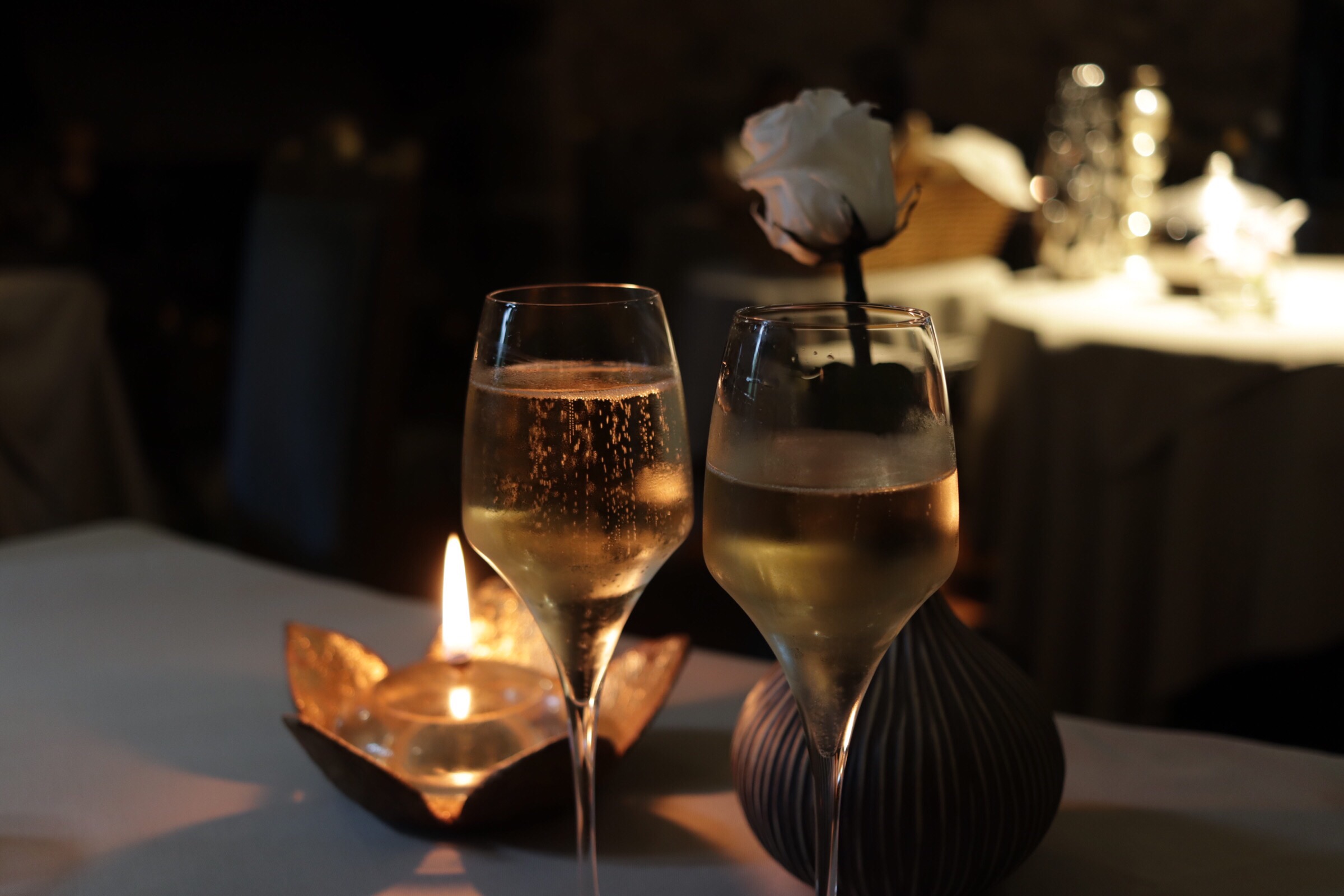
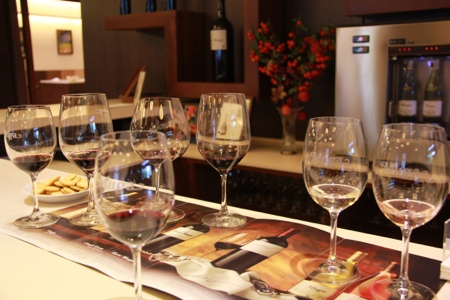
We also stopped at several Domaines and tried the local rosé and white wines – we’ve been lucky quality- wise for days,  And, being suckers for a good corkscrew museum…  


One of our favorite stops was Sault where we got lavender marshmallows. The weather is very warm with a constant summer breeze, a nice change from the colder wetter climes we have been through in the first half of our journey.

This drive afforded some incredible vistas of Mt. Ventoux, but Albert – despite have a “thing” about that mountain tied to Tour de France stages he watched or read about as a kid – refused to drive up. “The only way up is on a bike.”  He was somewhat jealous of the cyclotourists, and clearly intends to avenge his missed opportunity. 

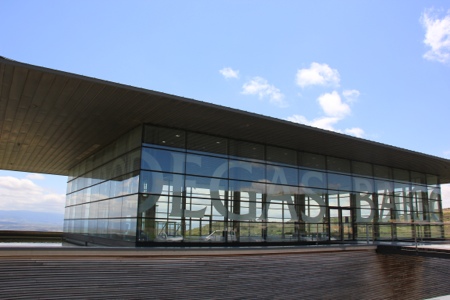
Our lodging for these next days was in a super modern resort, quite a bit different than the old chateaus we’ve been staying at. Castles are pretty cool however they are quirky and having a perfectly modern working shower is something we’ve missed! Laura also appreciated that we were given permission to pick freely from the orchards and garden all over the grounds. What we found to be “in season” here in Provence are apricots, plums, peaches, cherries, asparagus, and peas. 


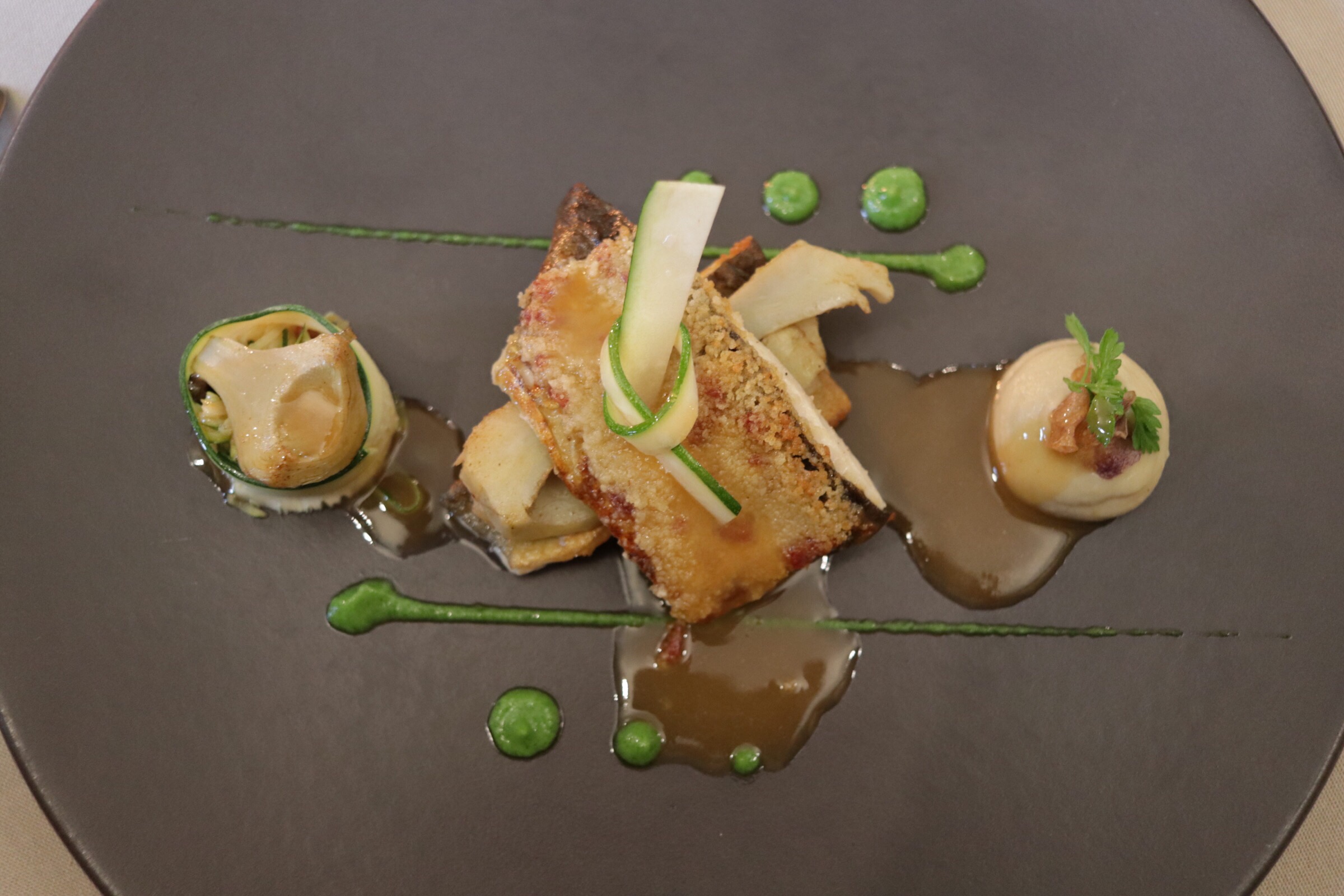
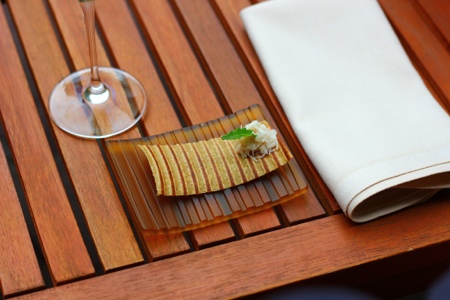
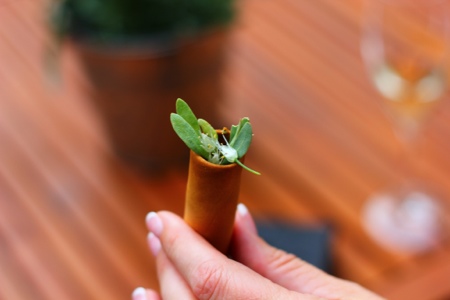
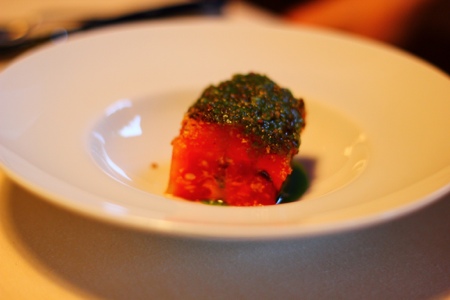
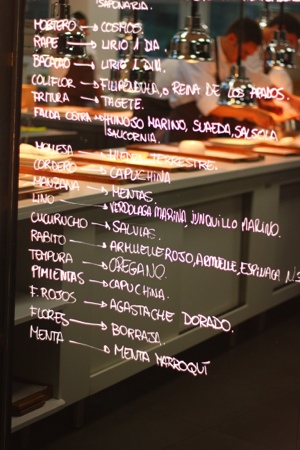
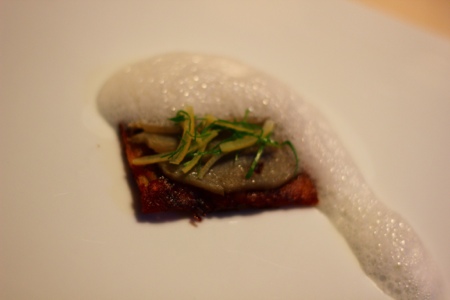
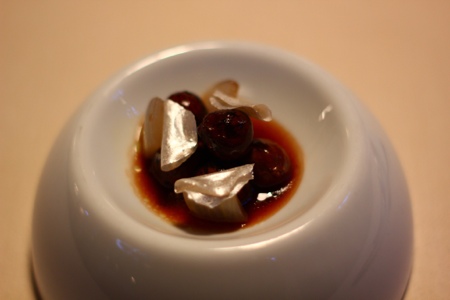
One of the nice things about the modern lodging is that the cuisine is lighter. We had an entire meal sans-duck, and composed almost entirely of vegetables!  Of course, we did take the old man’s suggestion, and added some fruit.  

Posted in Uncategorized | Leave a comment

Northern Rhône

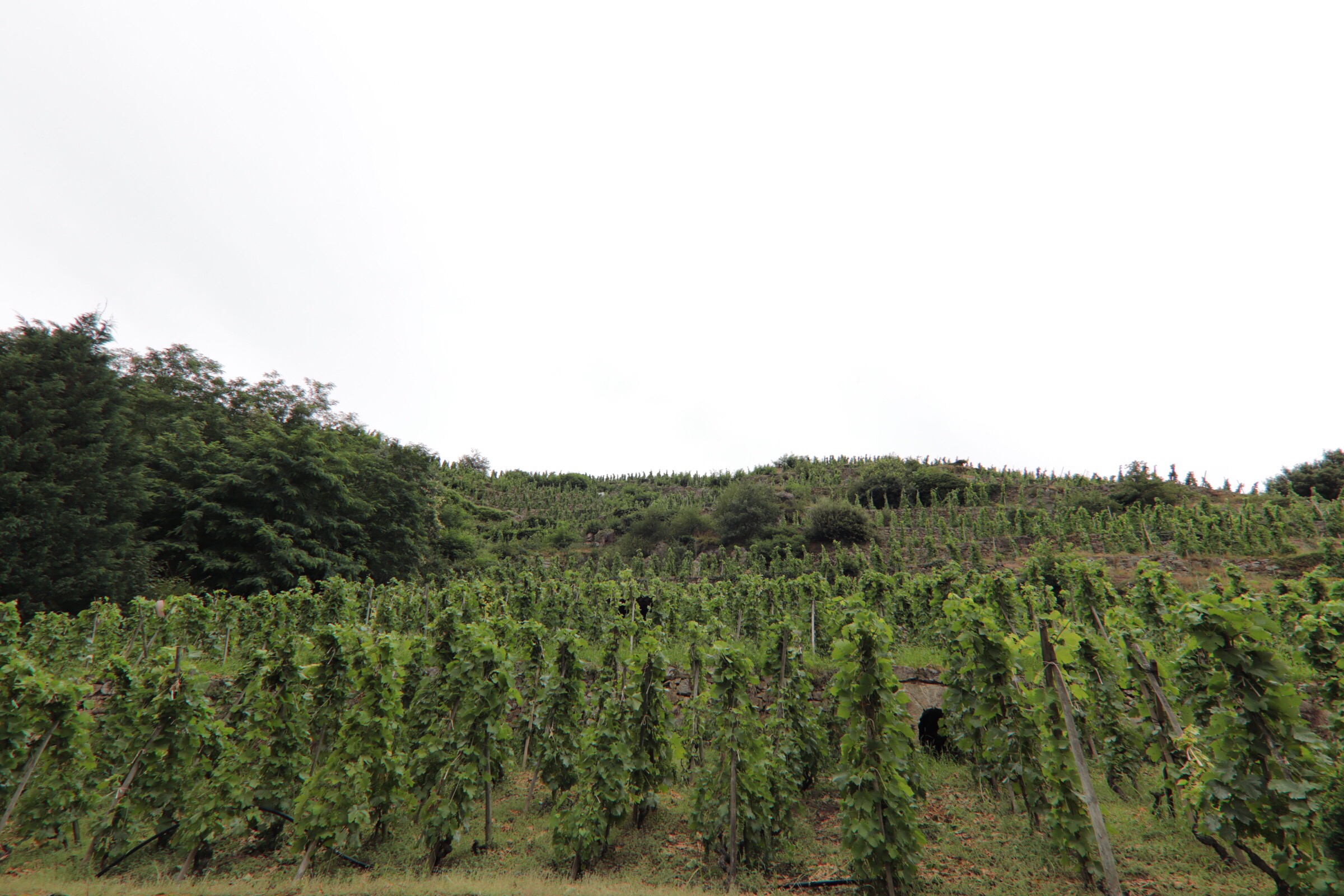
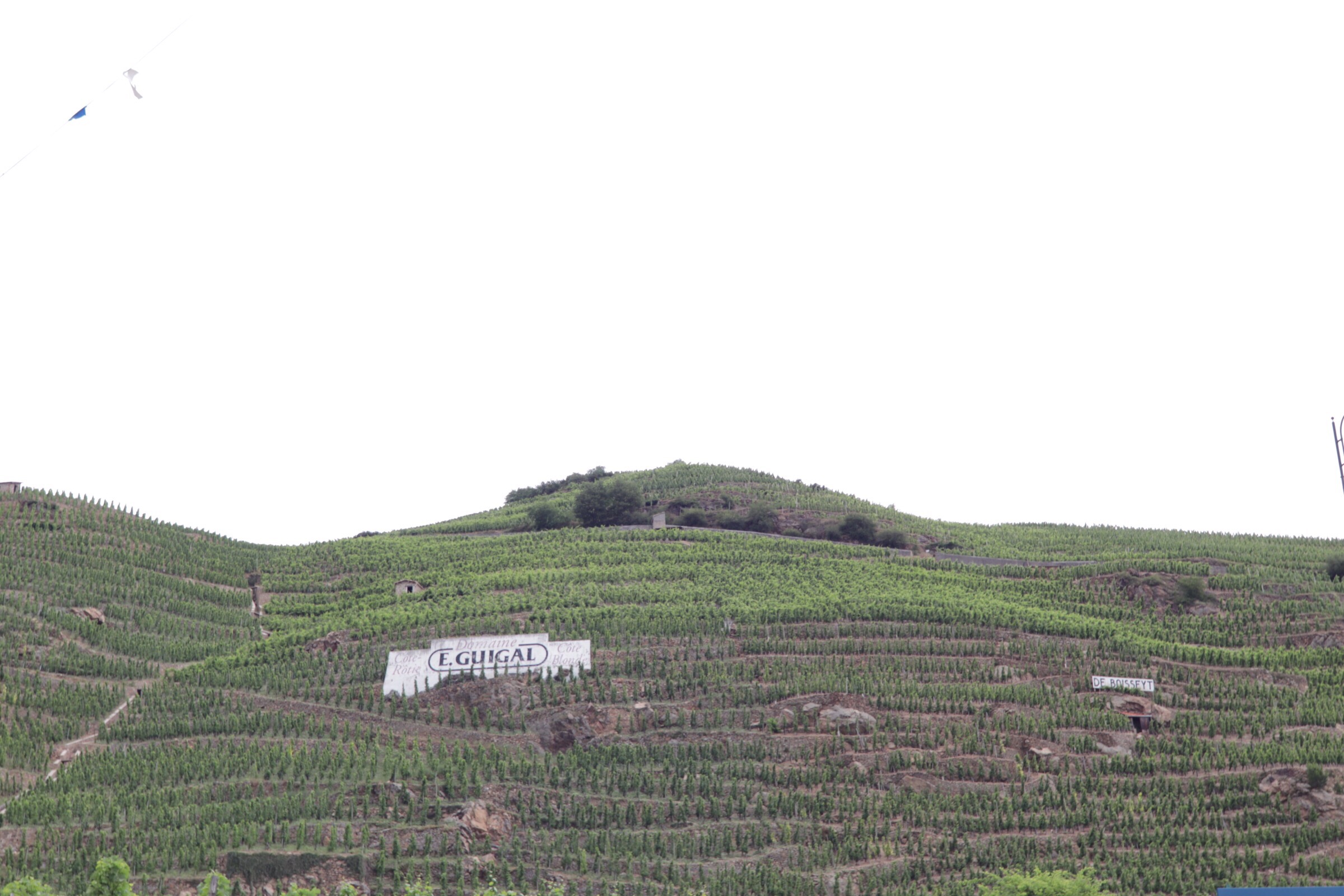
The ancestral home of Syrah, grapevines have been cultivated on these steep slopes for centuries – perhaps millennia, given the Roman settlements nearby dating back to the first century BC. The reds here vary greatly based on only a kilometer distance, slightly rotated sun exposure, and the transition from granite to schist to limestone/silica. As one of my friends might say, “you can taste the dirt.”  But these are not crude wines by any means – the Cote-Rotie are powerful, sun-drenched and perhaps needing a while in the bottle, but assertive in an elegant way. Further downstream, the wines from Hermitage show a deft hand, and an understanding of patience. 

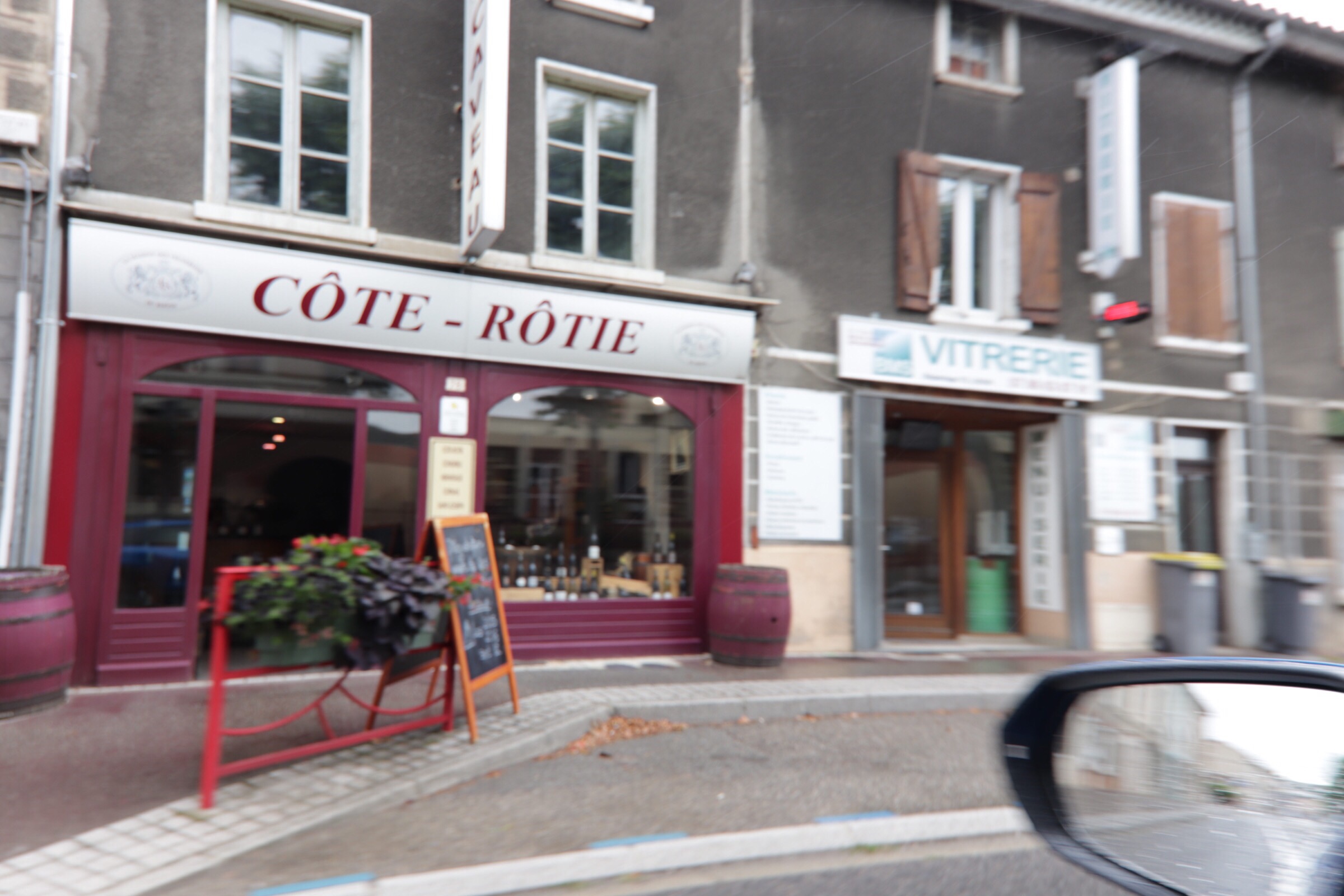
Our first, random and lucky stop in the north was with a local shopkeeper who’s father has been a winemaker in this district for ages explained the different micro regions. 
 

With that knowledge in-hand, we sallied forth. 

These, by the way, are rain flowers. Like sunflowers, only sadder and damp. We have yet to see actual “sun”flowers. 


Steep hillsides here with unusual vine training. Reminiscent of Portugal, but with a bit more elbow room and finer wines.  

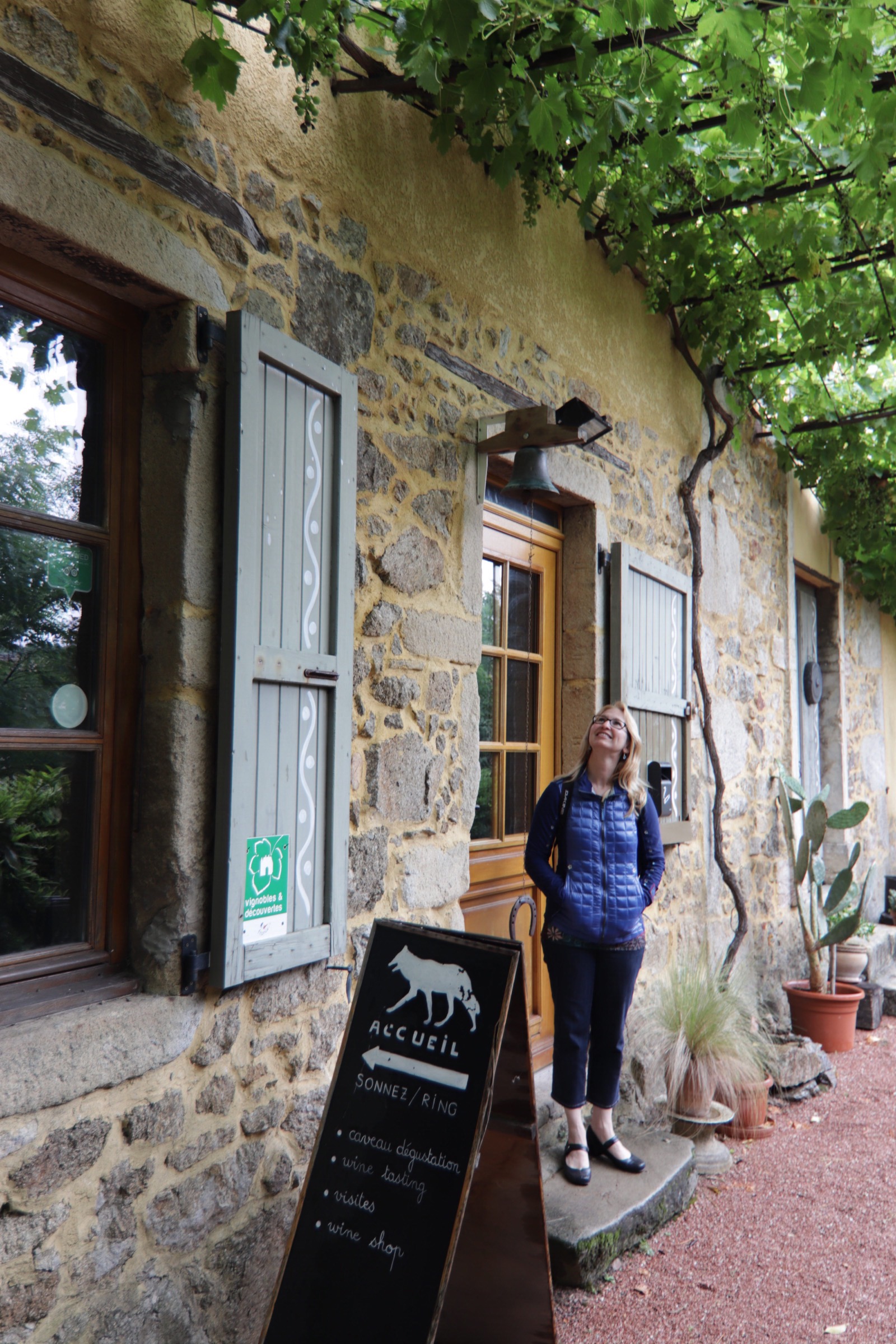
Ring bell for service. Gladly. 

These wines rang the bell, as well. And a very pleasant host. 

That stop was also random, but we had a few appointments to keep: Domaine Semaska and Domaine de Monteillet. Both very good, with a slight nod  towards the wines of Monteillet. Plus a very kind host who undressed slightly to help improve our French, sorry, no photos of that. 

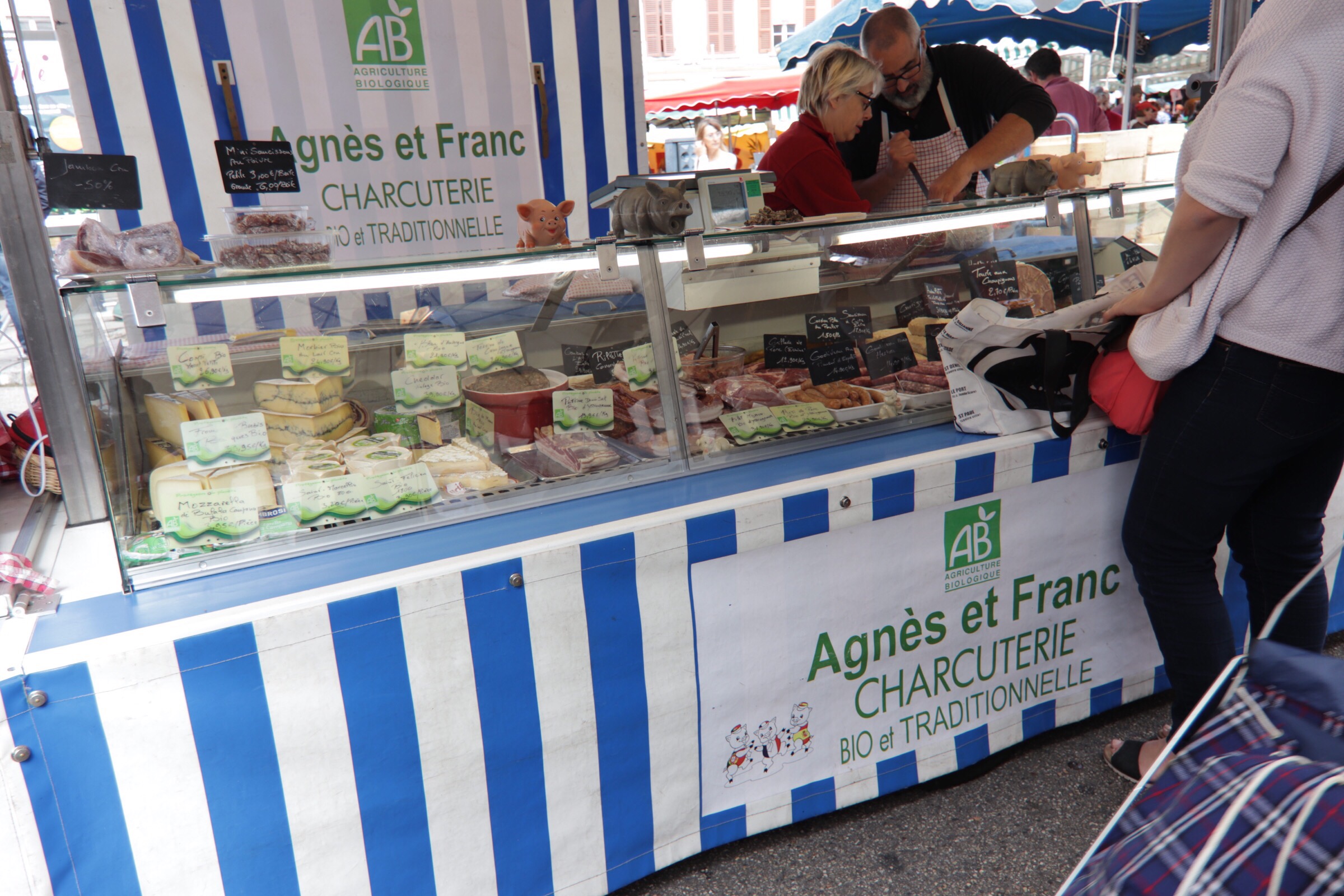
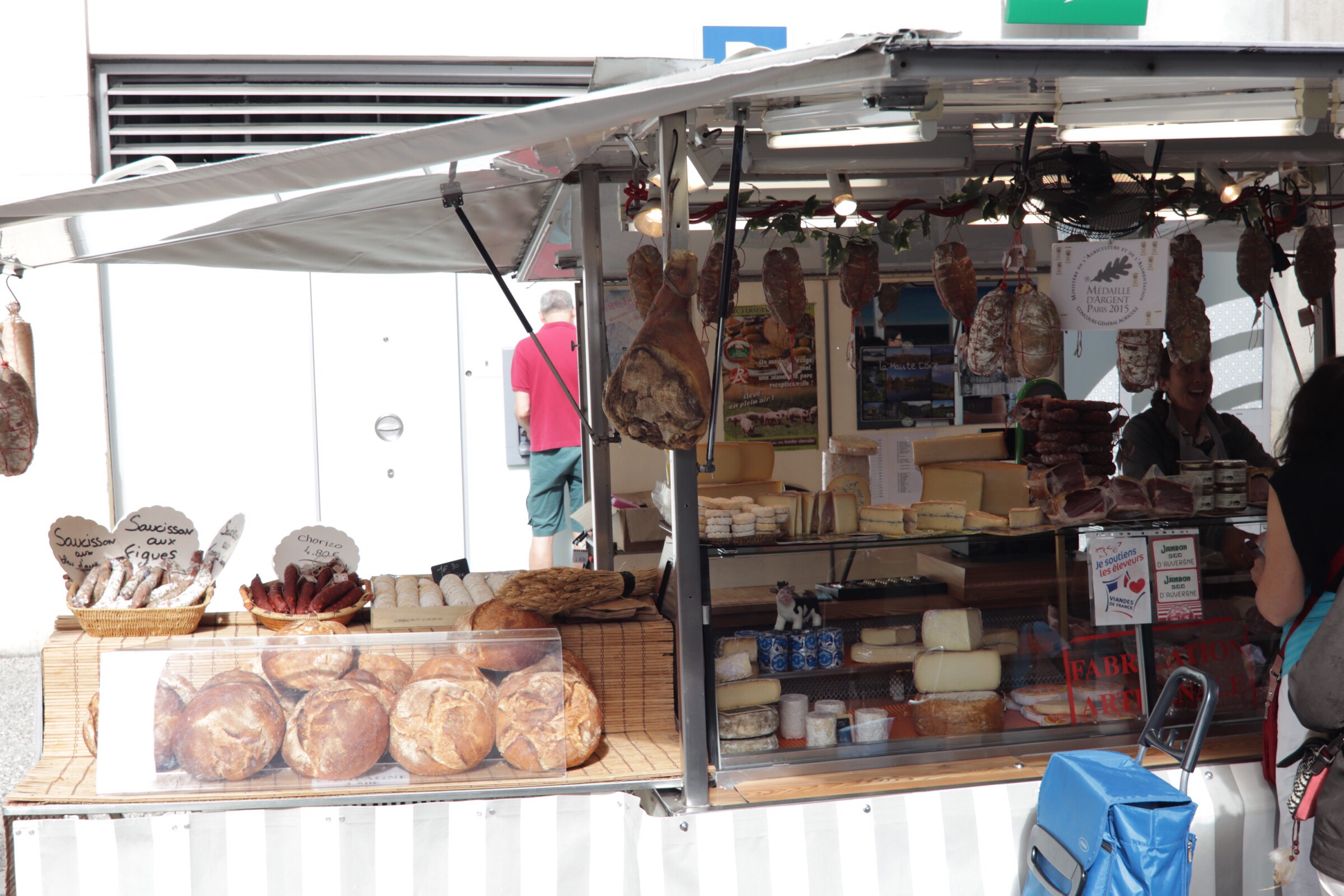
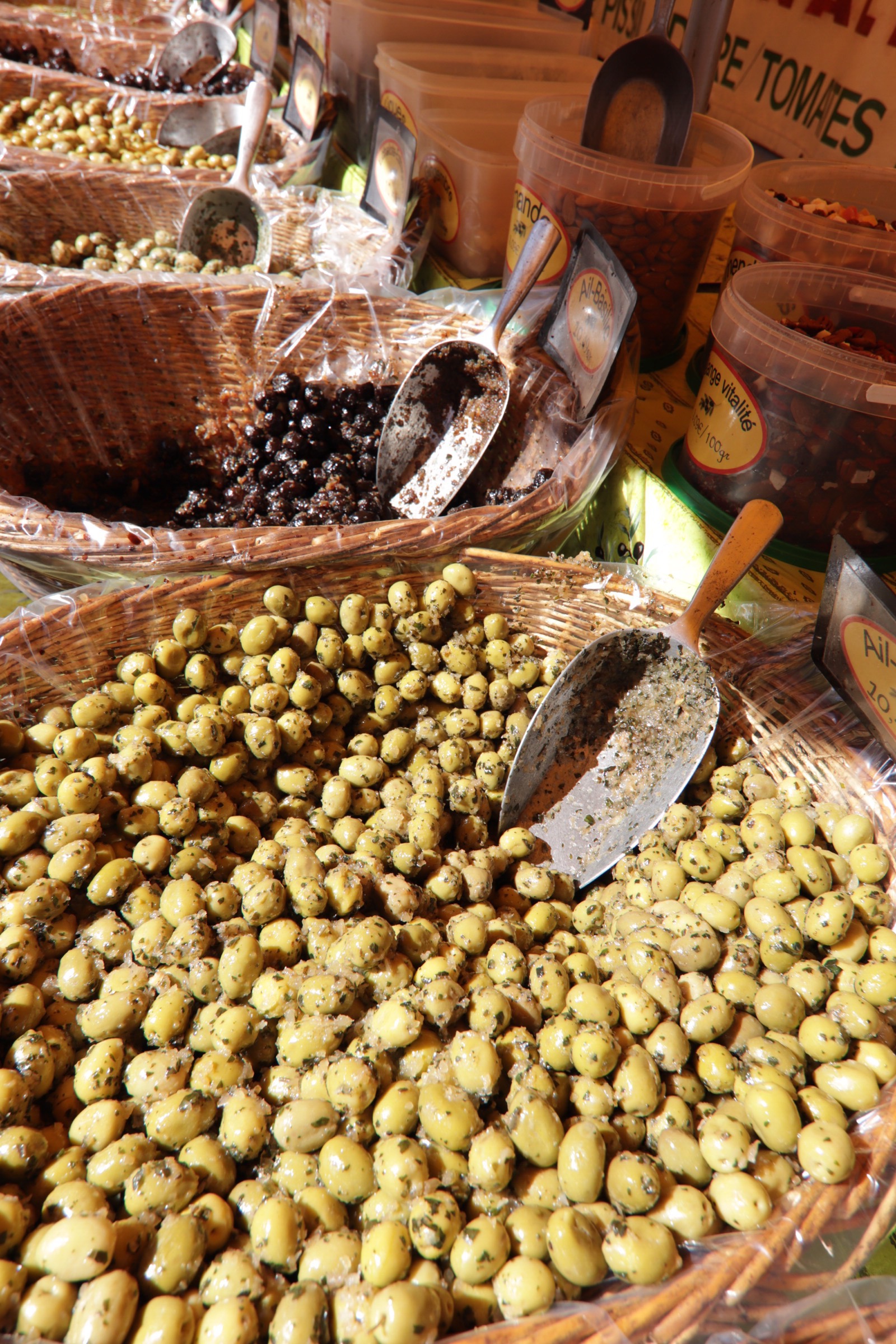
Just north of where we were staying is a weekly, massive farmers’ market. So we went. And found breakfast amongst the stalls, along with espresso and a 2100+ year old Roman temple to Augustus. 


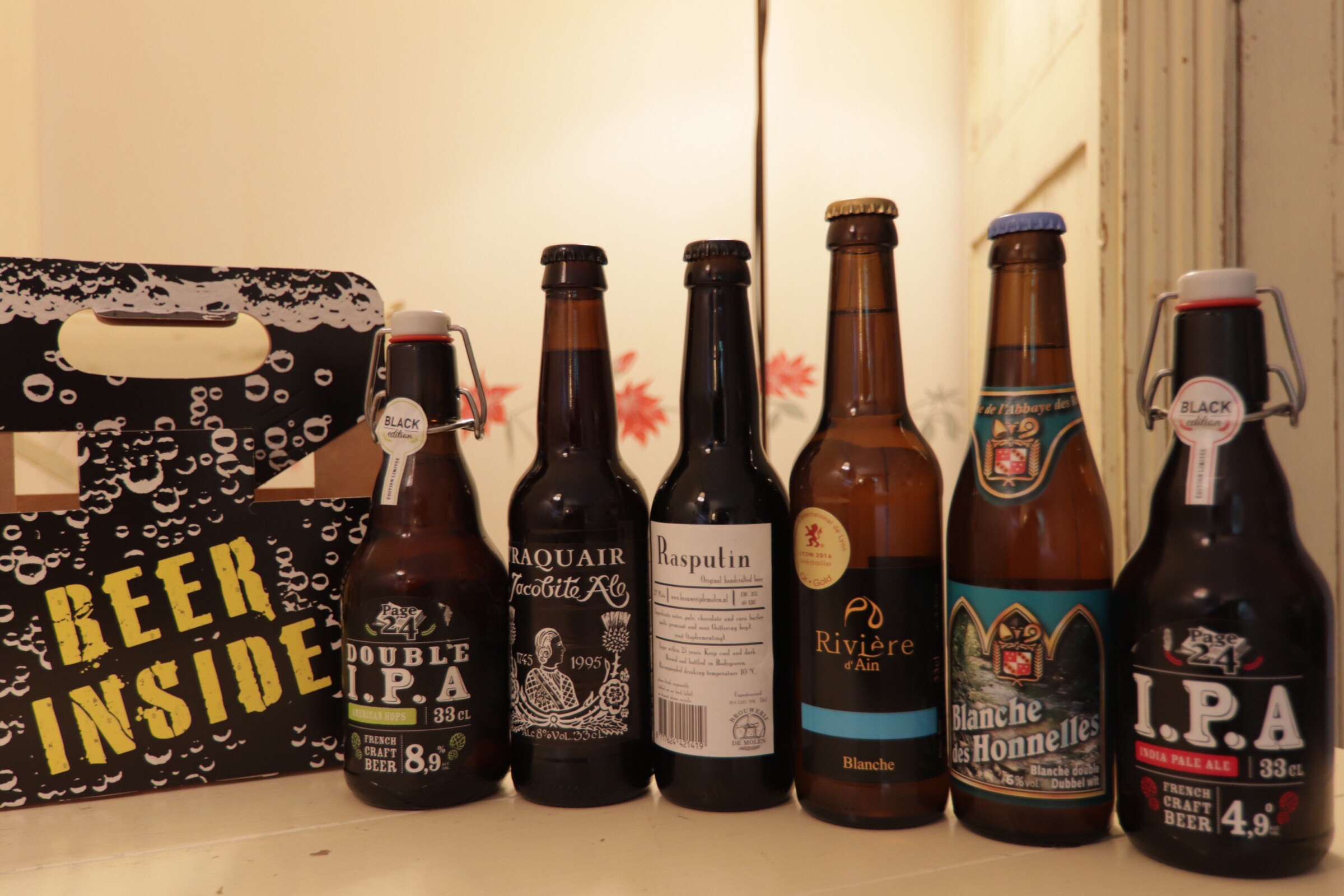
Beer! They have some. It’s still only okay. The double IPA was the most bitter thing I’ve consumed in a long time.  “Hooray” for trying.

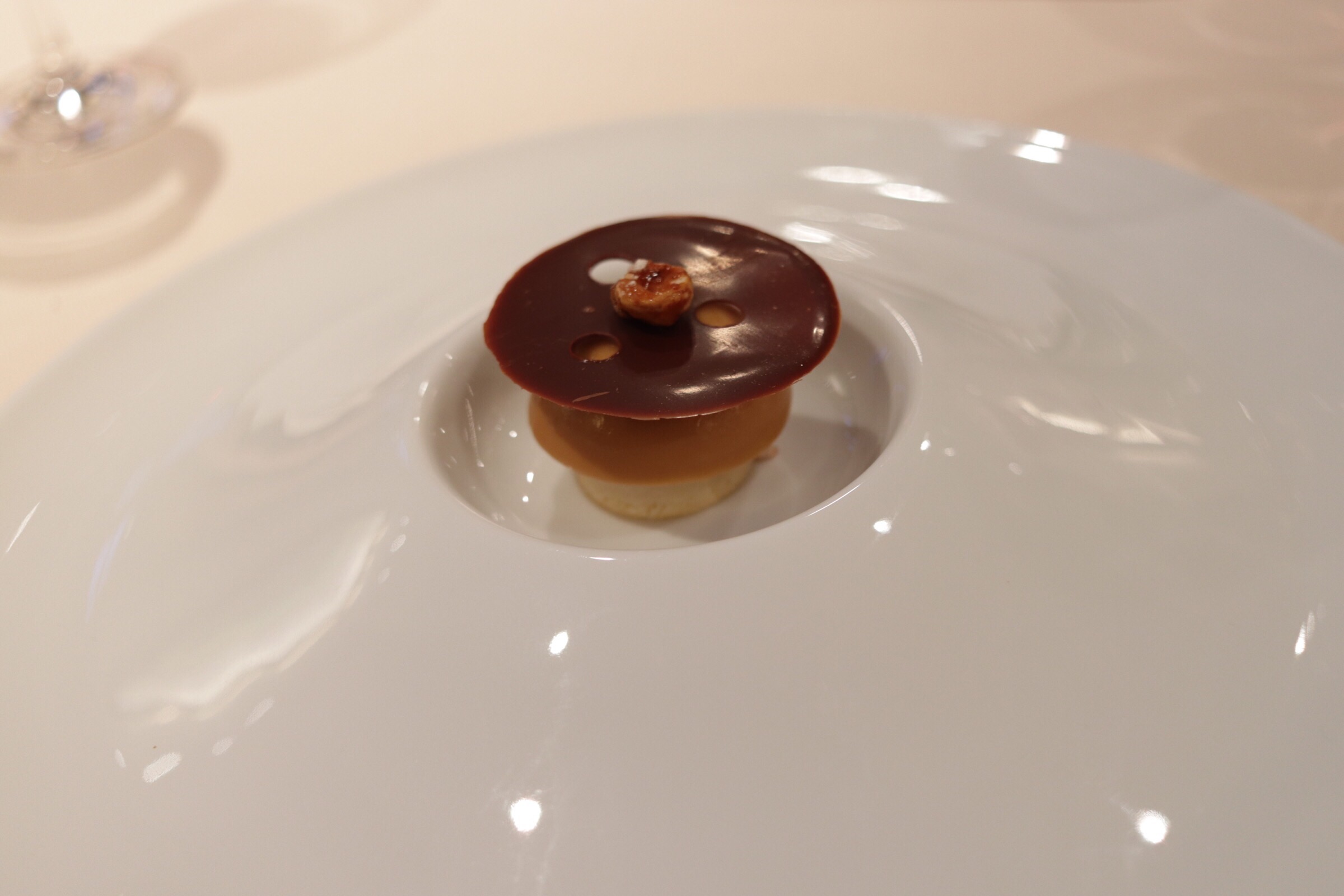
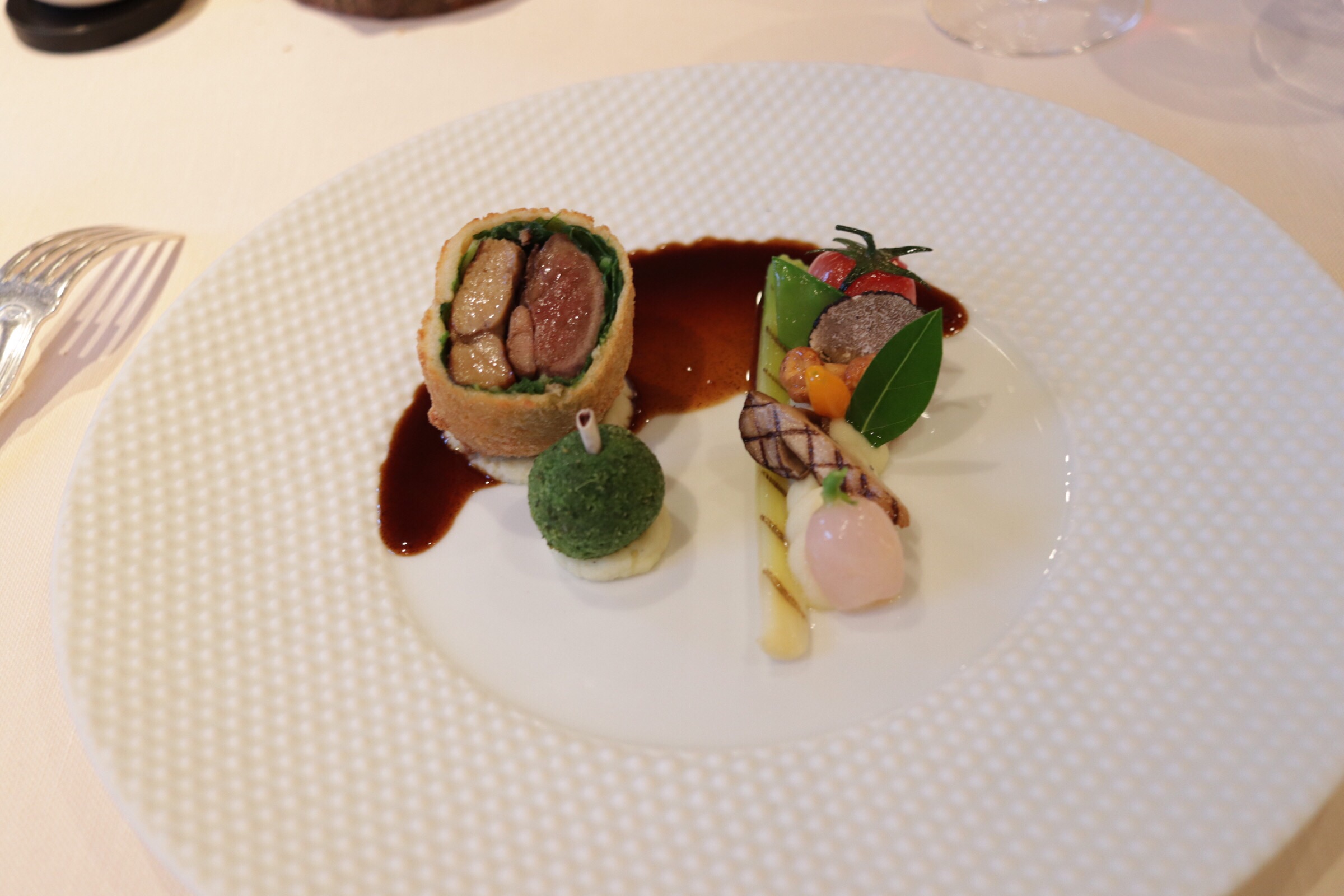
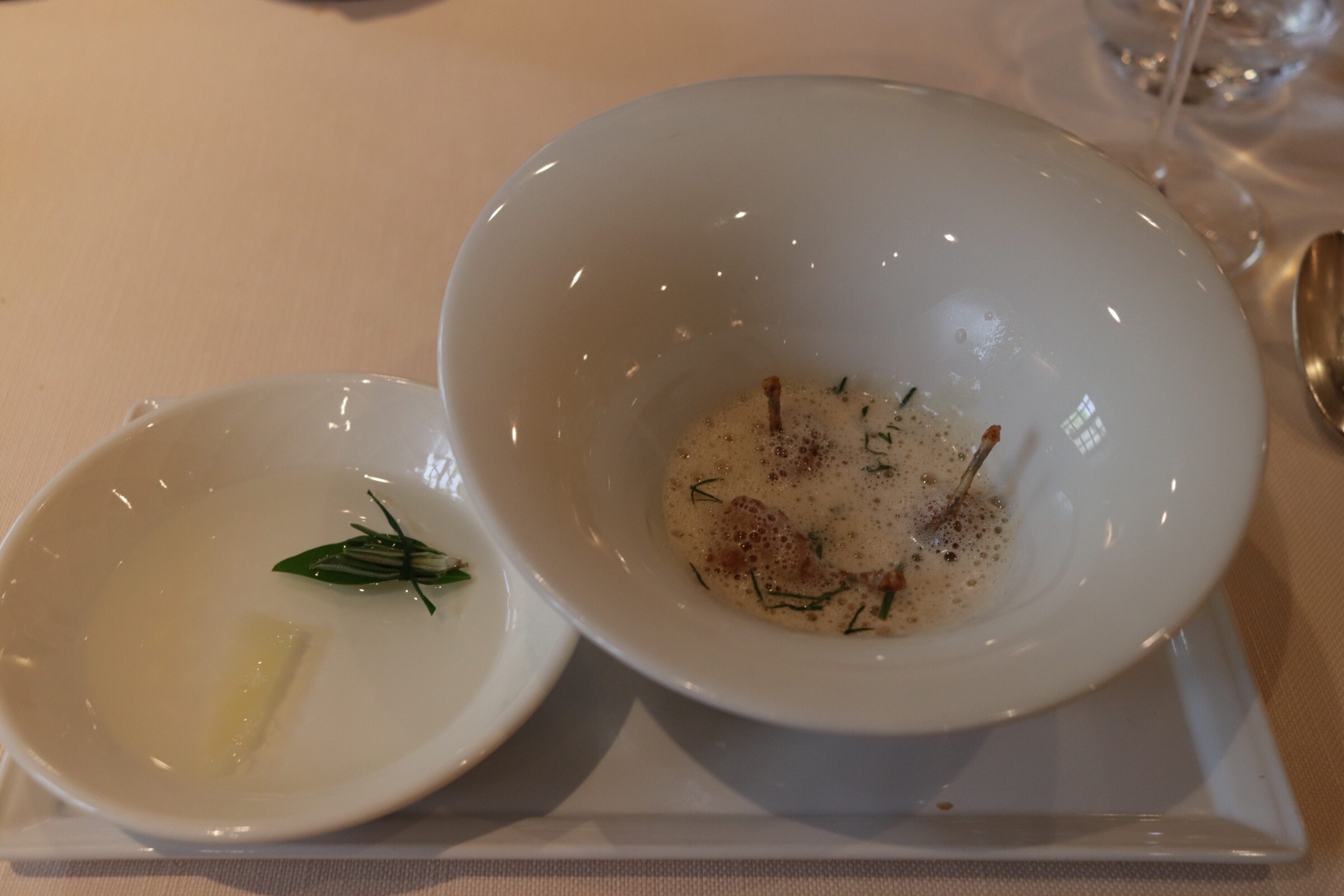
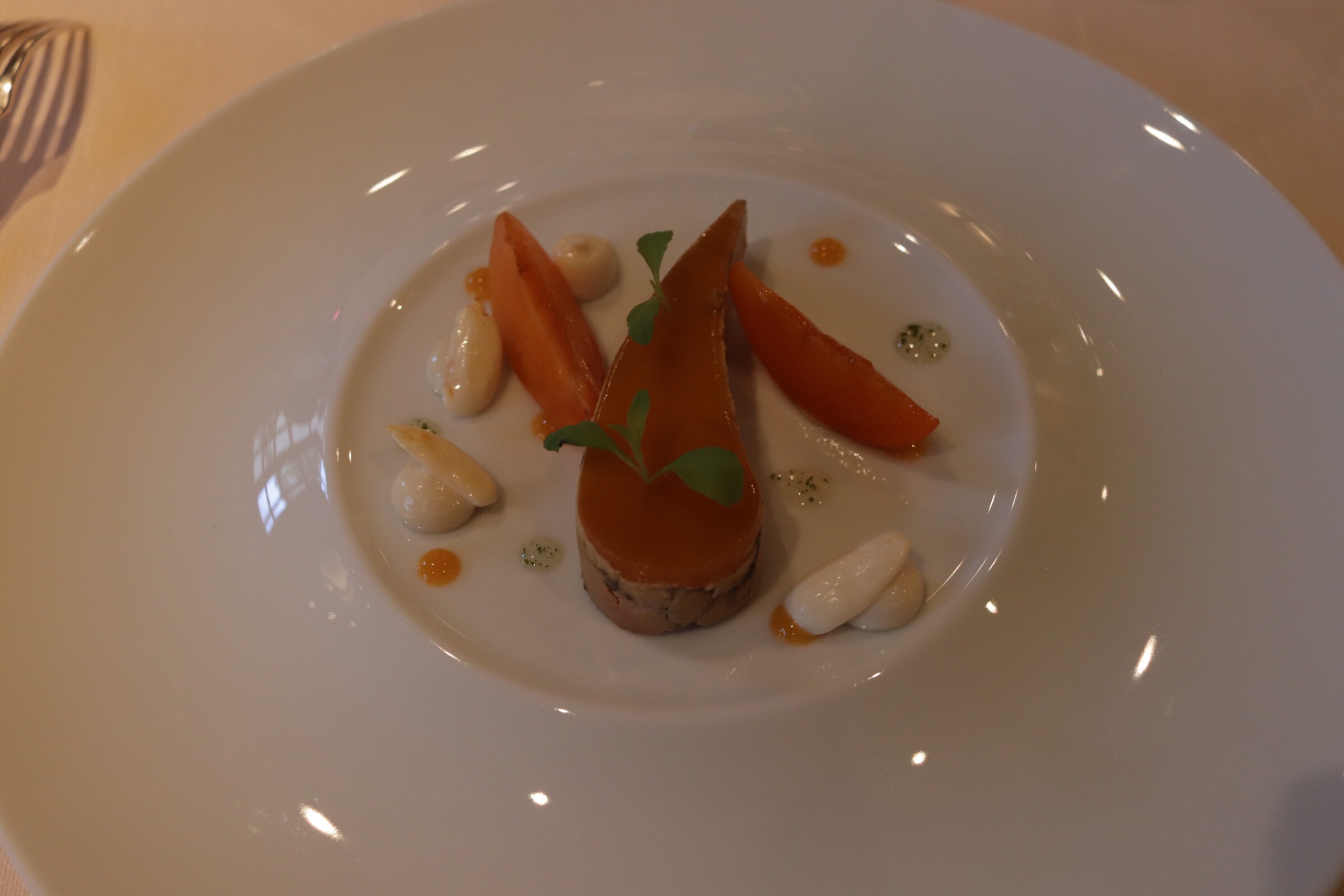
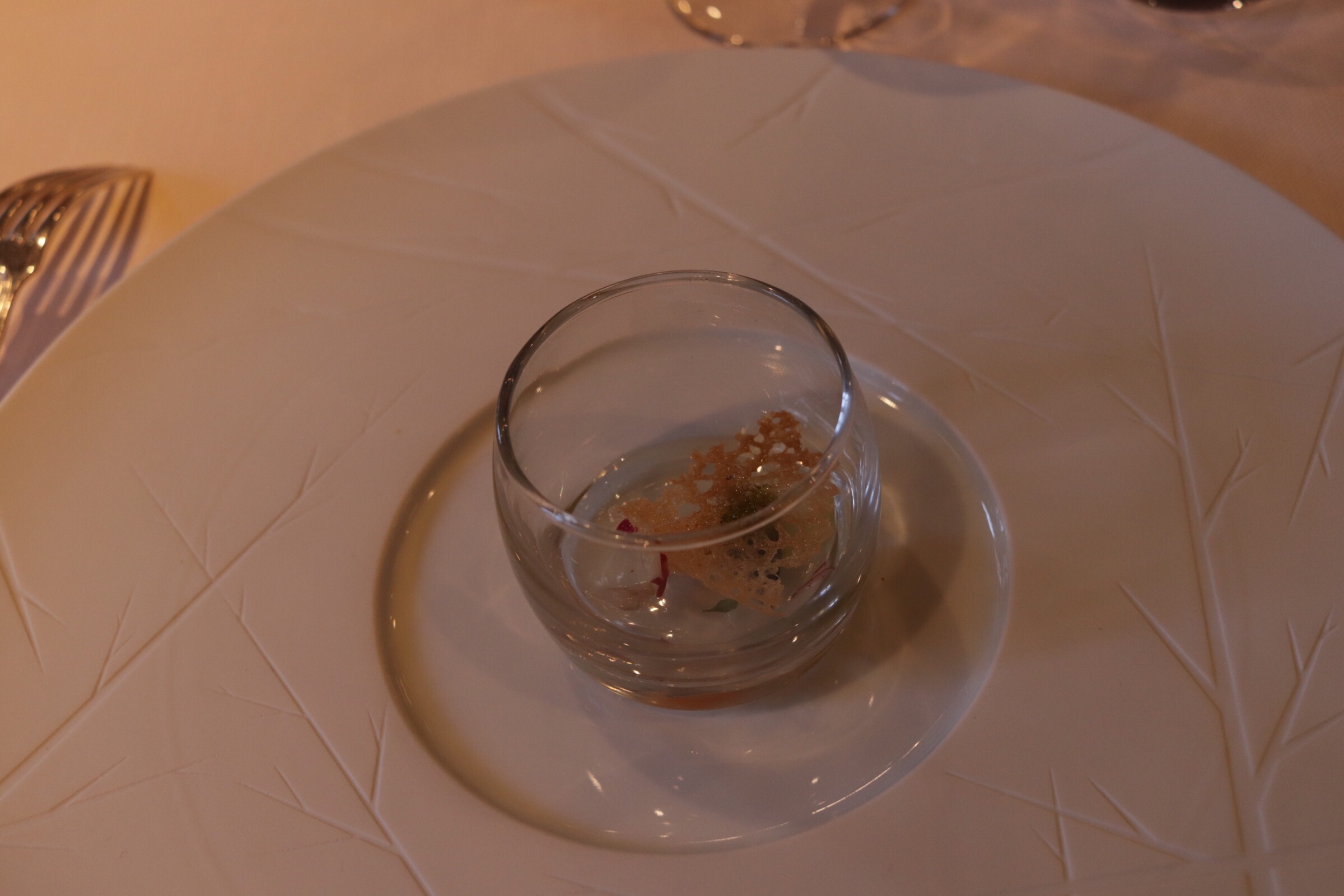
We managed to add another Michelin star to our starry night. (I spent some time lounging and watching Le Tour, first, naturally.)  This was a fantastic meal, and we gave ourselves over to the Sommelier for the wine pairings. So glad we did!


Posted in Uncategorized | Leave a comment

Resistance is futile. Vive la Résistance! 

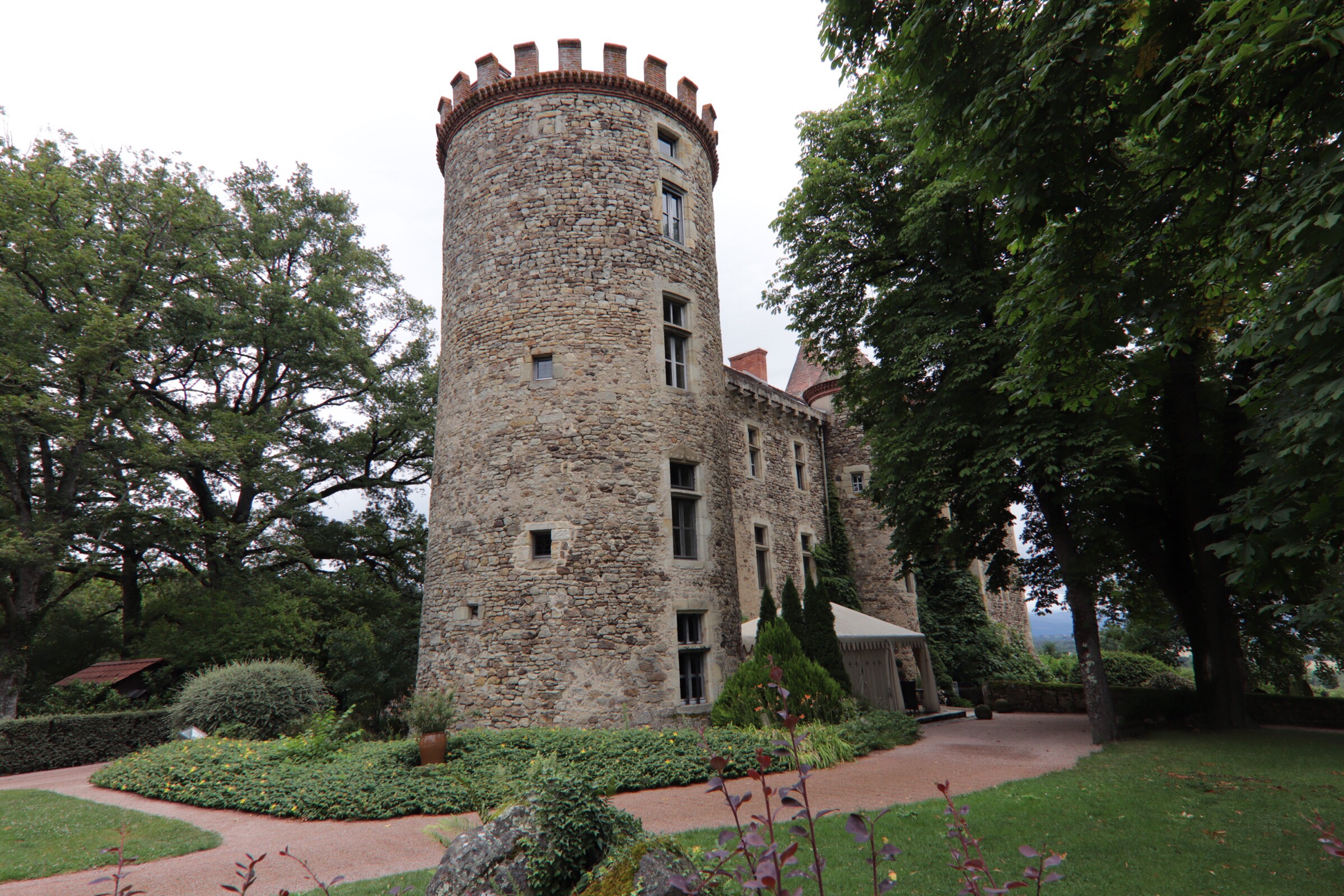
In Borg L’Etang we stayed at a Chateau that was one of the watch towers for Chateau Ravel. So of course we visited the ruins of the Ravel while here. This is the heart of Auvergne and my favorite quote for this area is “They are a strange wild race, fond of money, avaricious, yet well off, extremely uneducated and coarse in their manners, easily excited, and somewhat brutal in their habits” – Louise Stuart Costello, A Pilgrimage to Auvergne – 1842.


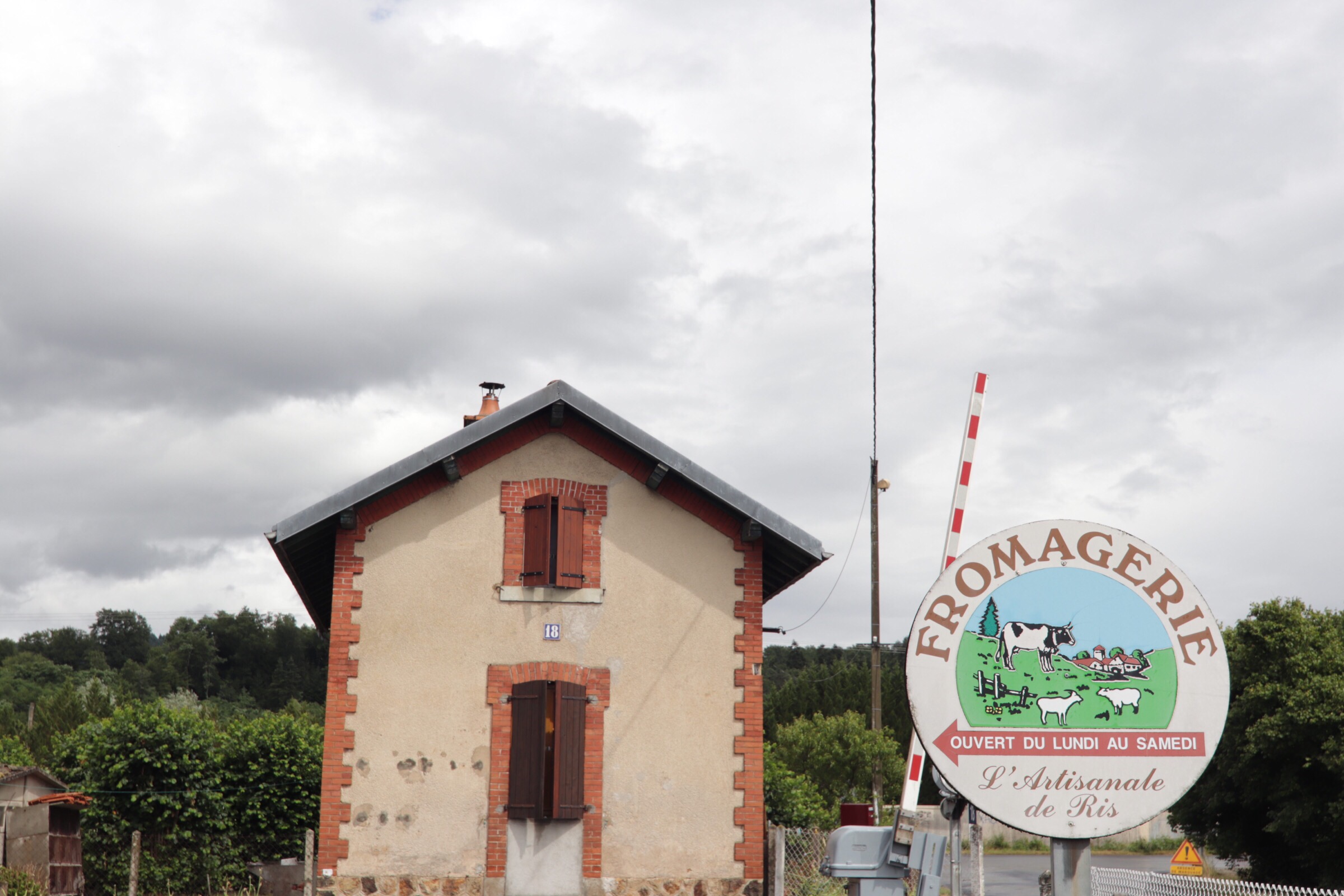
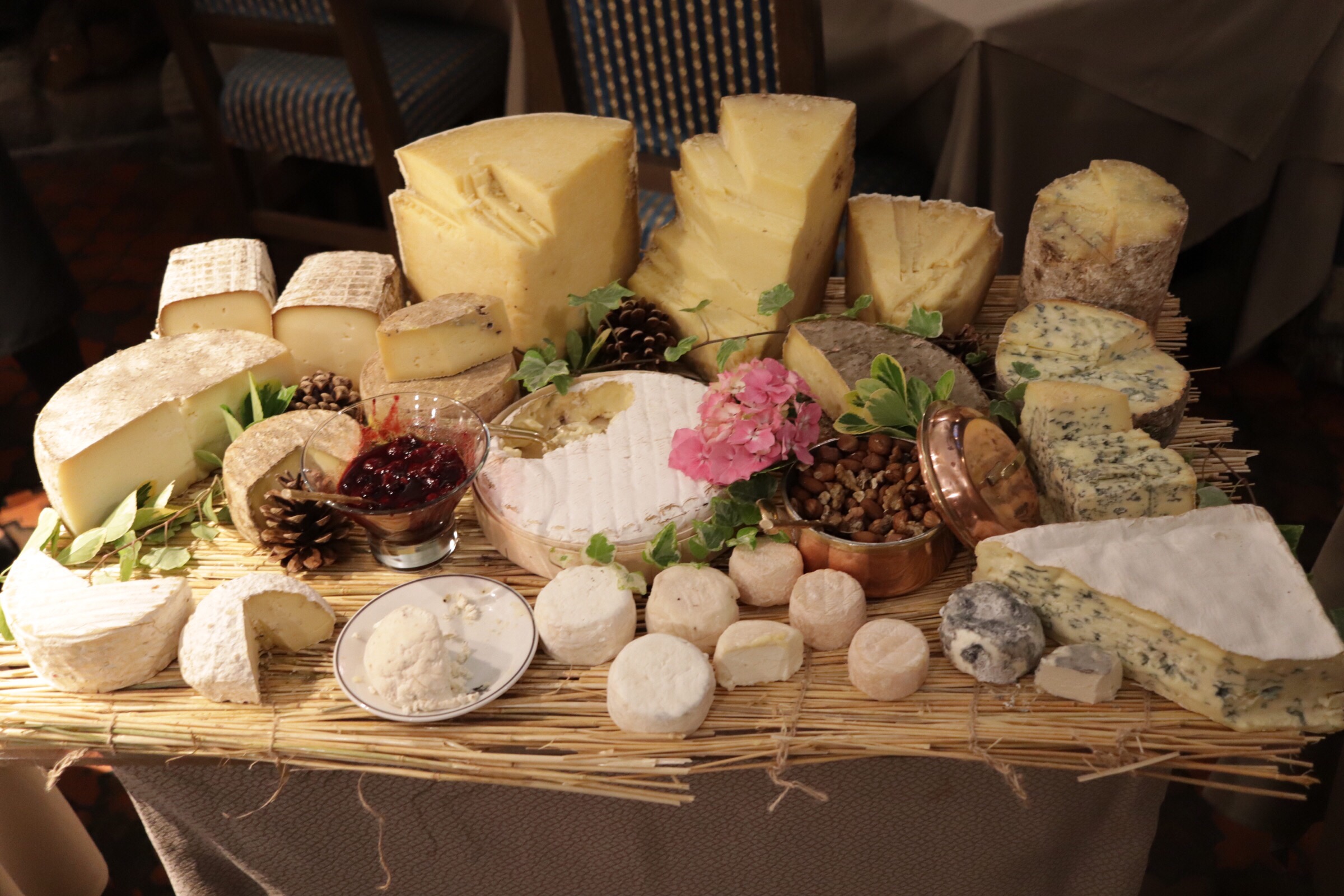
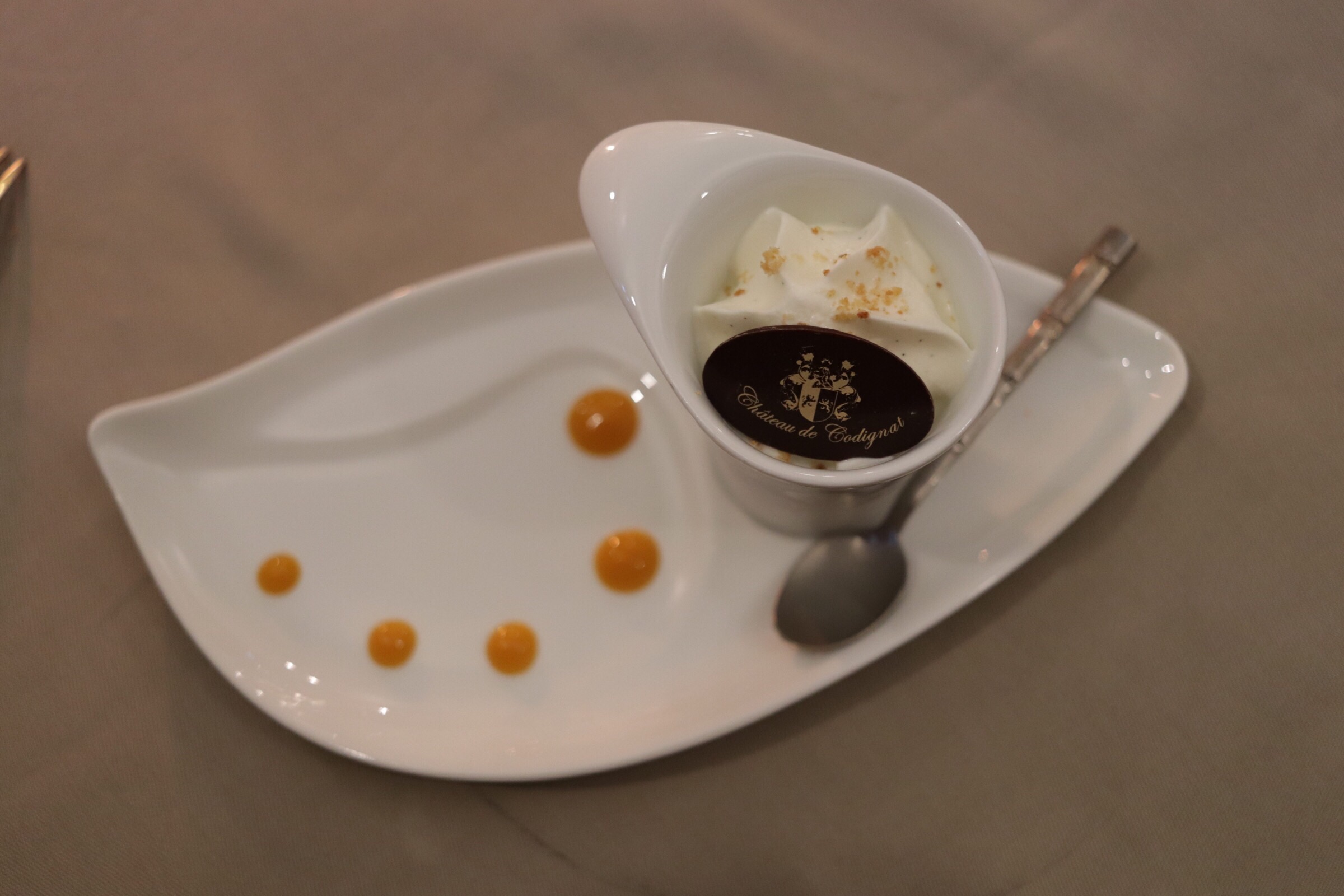
In this region we also stopped on the Route de Fromage for some amazing cheese. An aged and creamy goat cheese was the star from this fromagerie. Our dinner that night was at the second Michelin starred restaurant of the trip and the food was truly wonderful. 


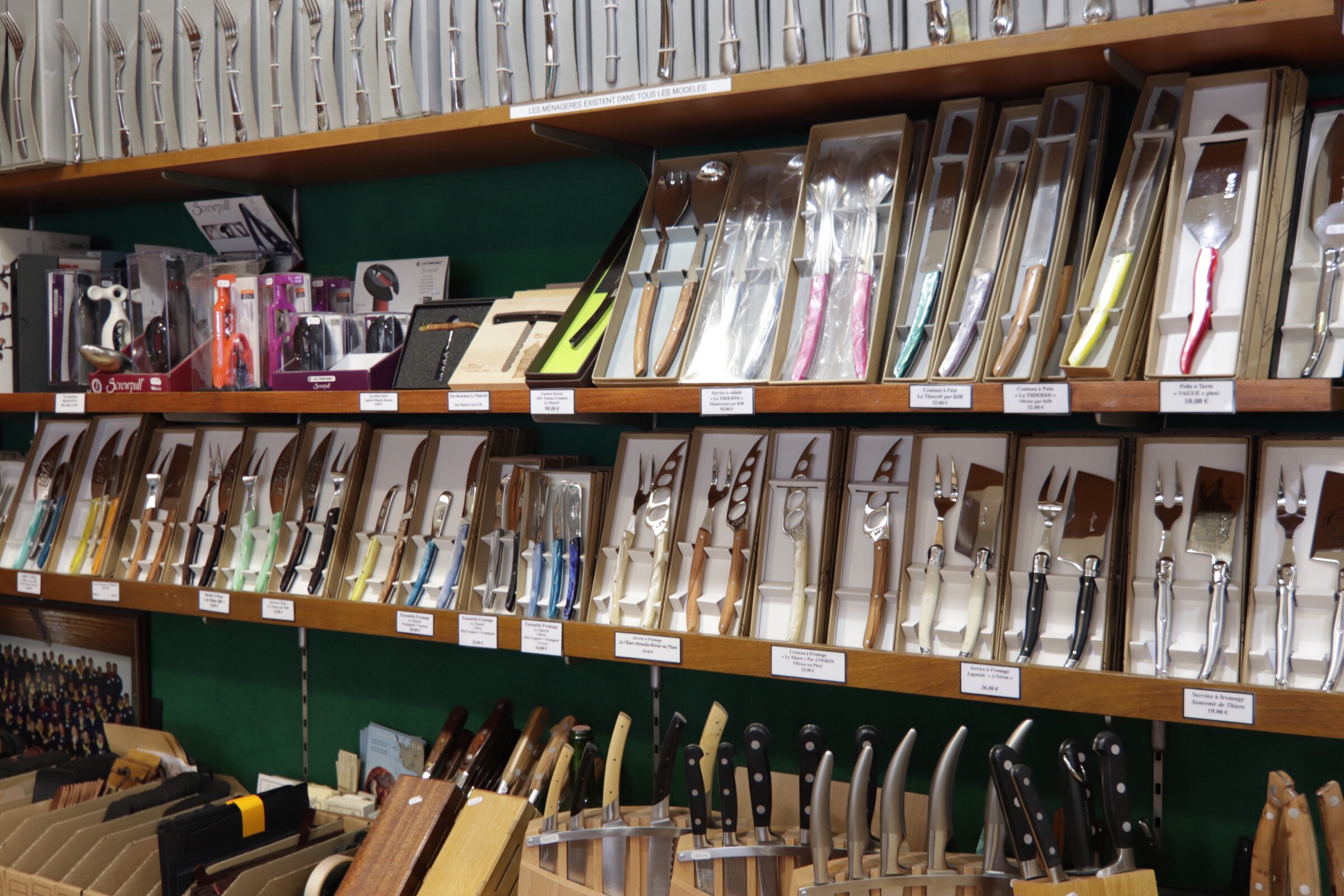
The next day on the way to the Northern Rhone we visited Thiers, the cutlery (knife) capital of France. We got lucky and stopped at a shop where the knife maker spoke excellent English. He sold knives from all 55 of the local craftsmen. Albert definitely liked this stop! 

Posted in Uncategorized | Leave a comment

Several days in France…

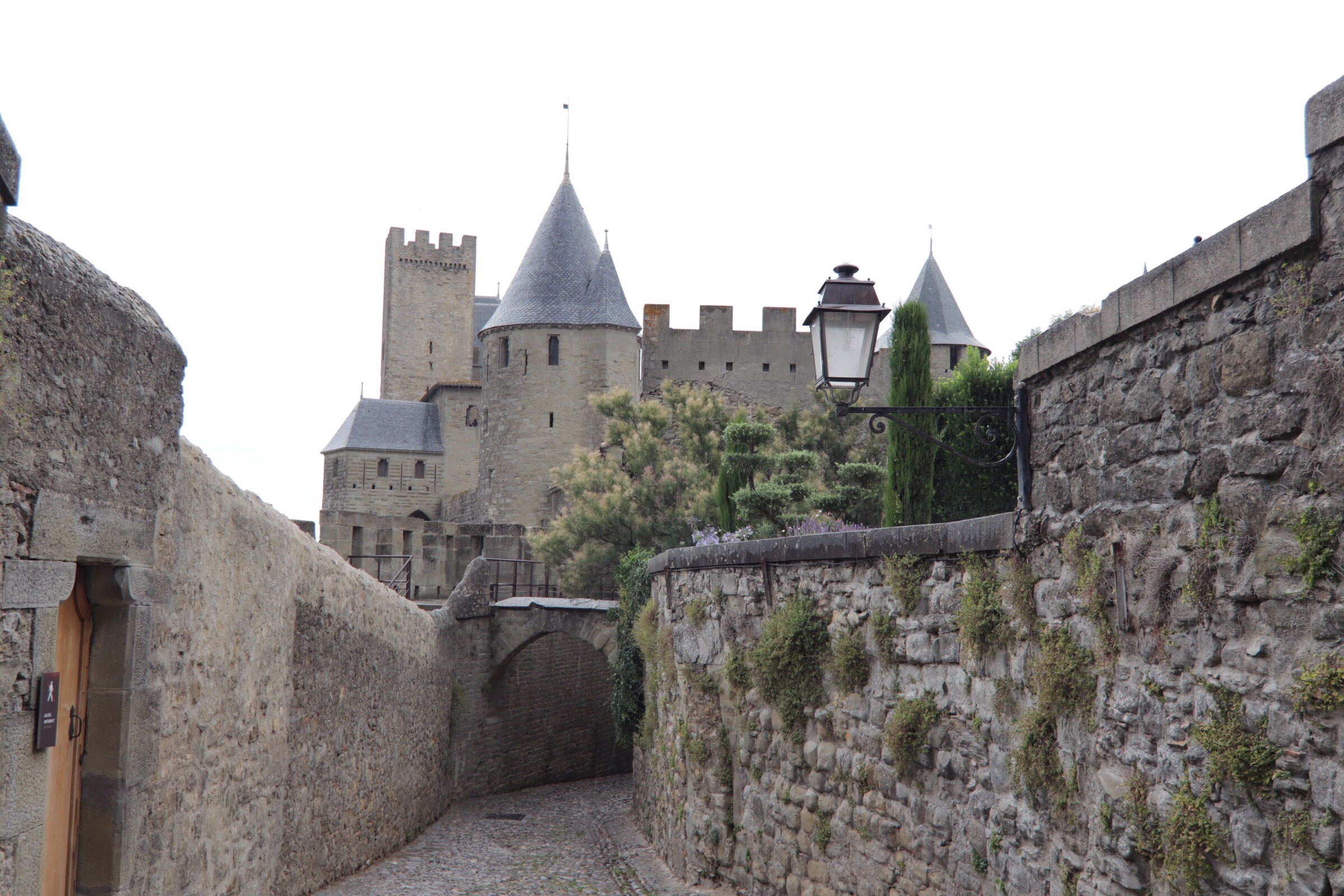
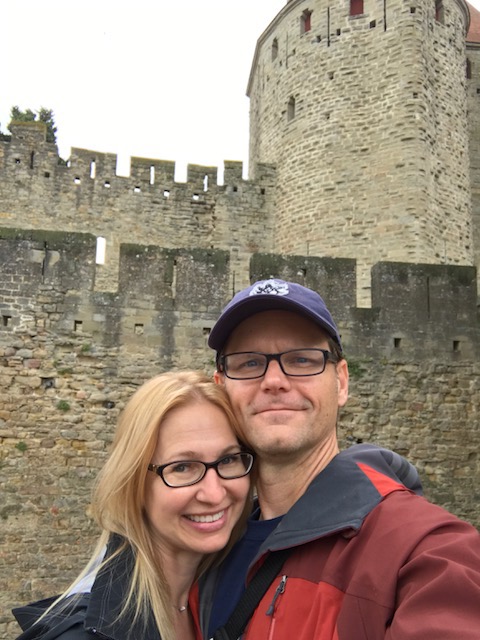
Carcassonne, located in the Languedoc-Roussillon region (France’s second-most visited tourist spot after the Tour Eiffel) was a treat. Thankfully the cloudy skies and rain kept many of the tourists at bay. Of course when it did rain we just happened upon the Bar du Vin so yes, of course we ordered a glass of wine and waited out the showers. It reminded us of when we did this very thing in Paris many years ago.


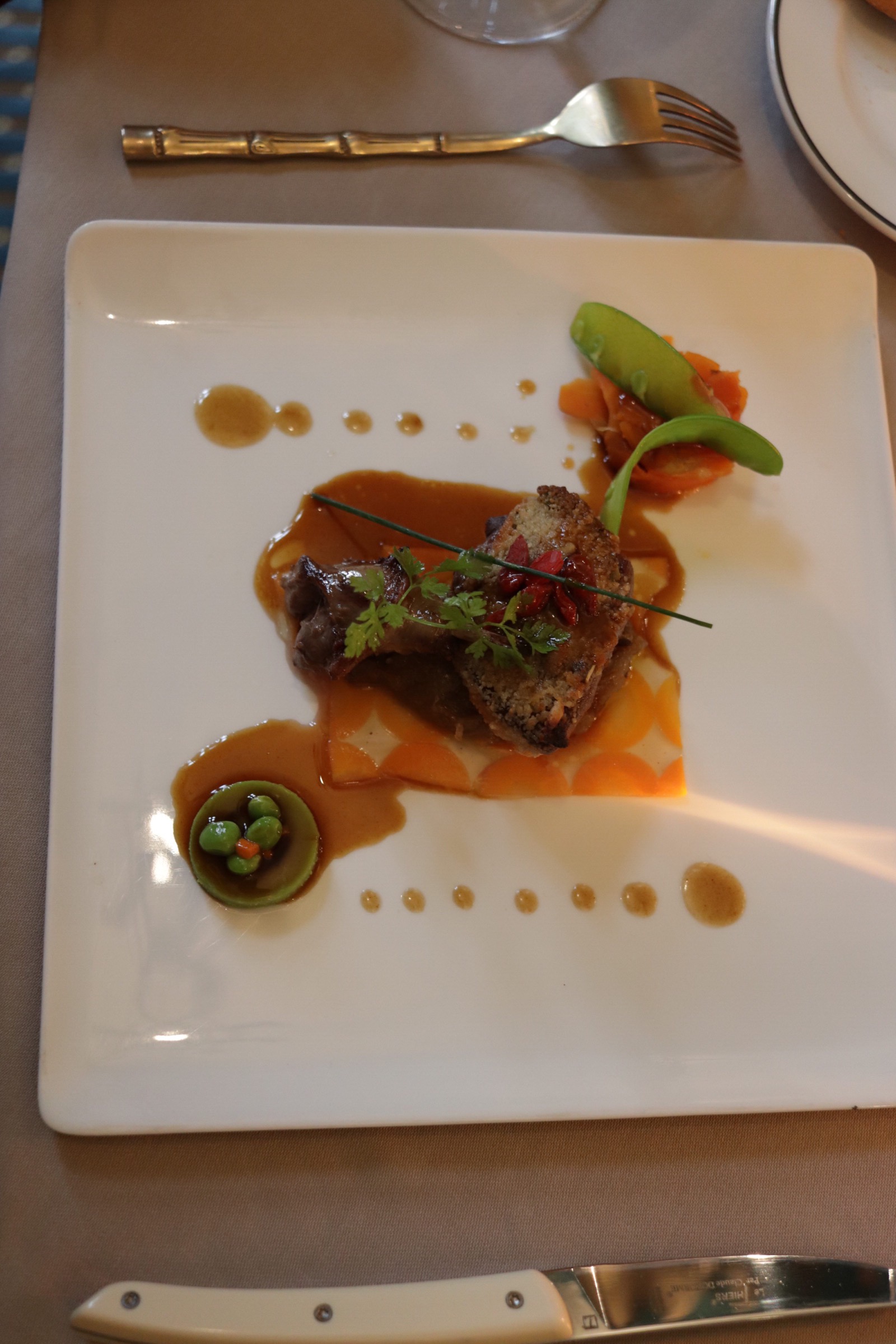
Dinner was at the Chateau right next door to our hotel and it is here that we started the foi gras and canard (duck) binge. The area is known for their wine, truffles and everything duck.

Cahors 

This is Laura’s favorite stop so far. The Cahors region is known for it’s “black” wines AKA Malbec. Over 90% of the wines made from this AOC are Malbec and we had reservations at two of the well-known Domaines. Interestingly we had a great Chardonnay along with several Malbecs at one of them.
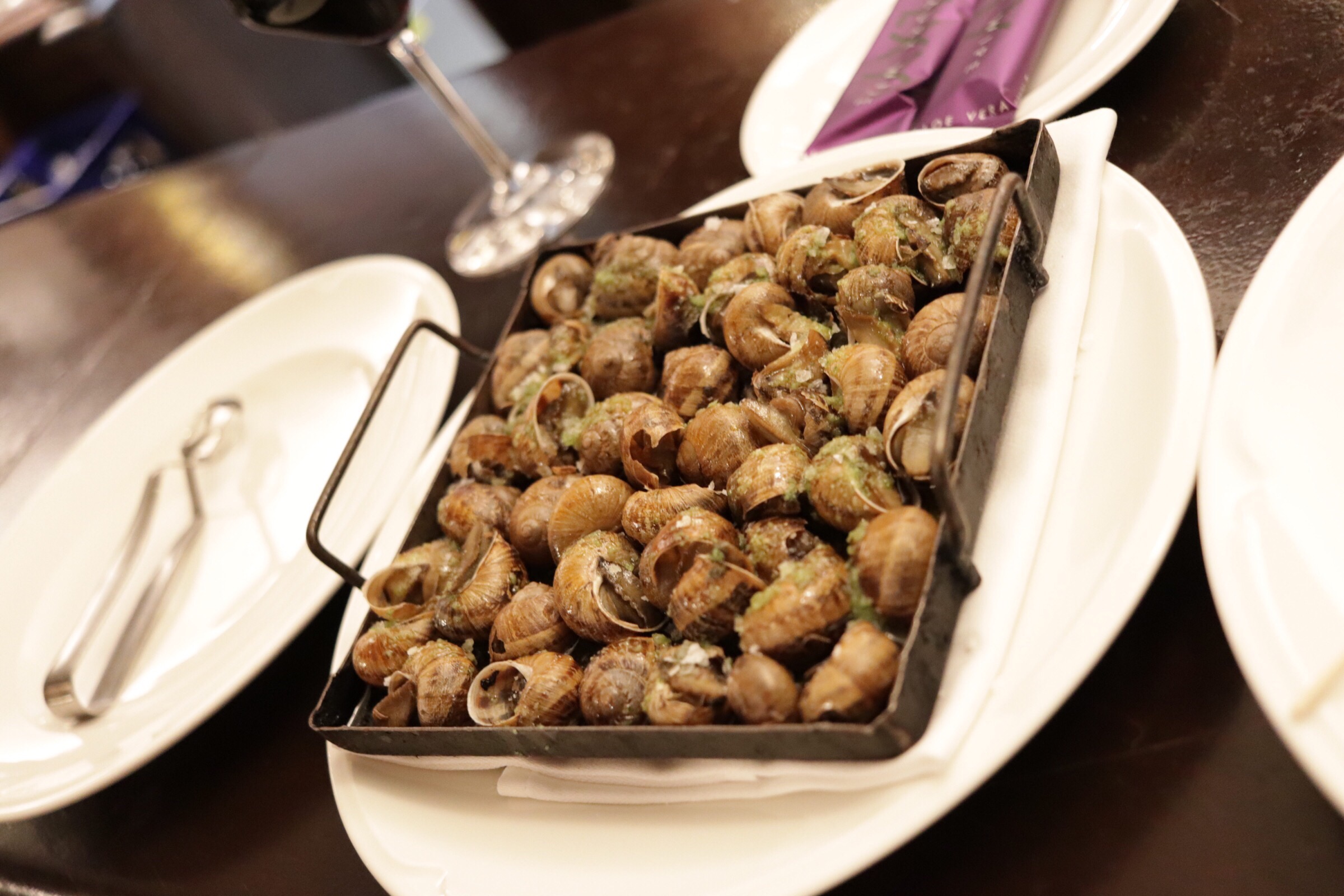
Before our wine tastings, too much faith in the GPS map led us to stumble upon a shop that sold all local produce … and fois gras in a myriad of forms! We stocked up and picnicked along the river Lot with our baguette and duck. The little town was filled with flowers et charm.


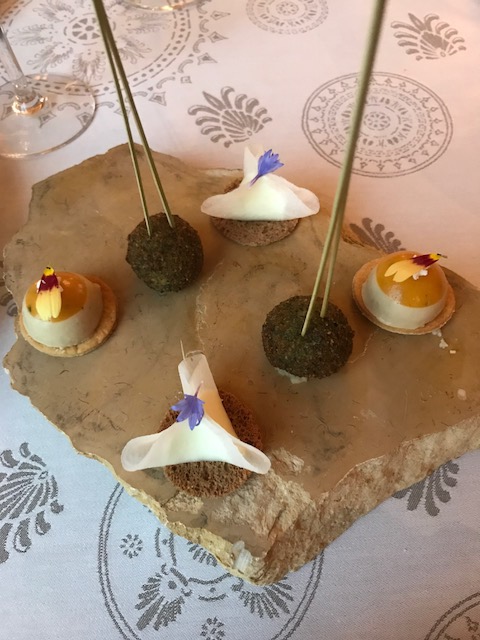
Dinner was at the Chateau and our first Michelin starred restaurant of the trip (yes, we’re counting). 7 courses of some of the richest food we’ve had. And of course fois gras was part of it. 


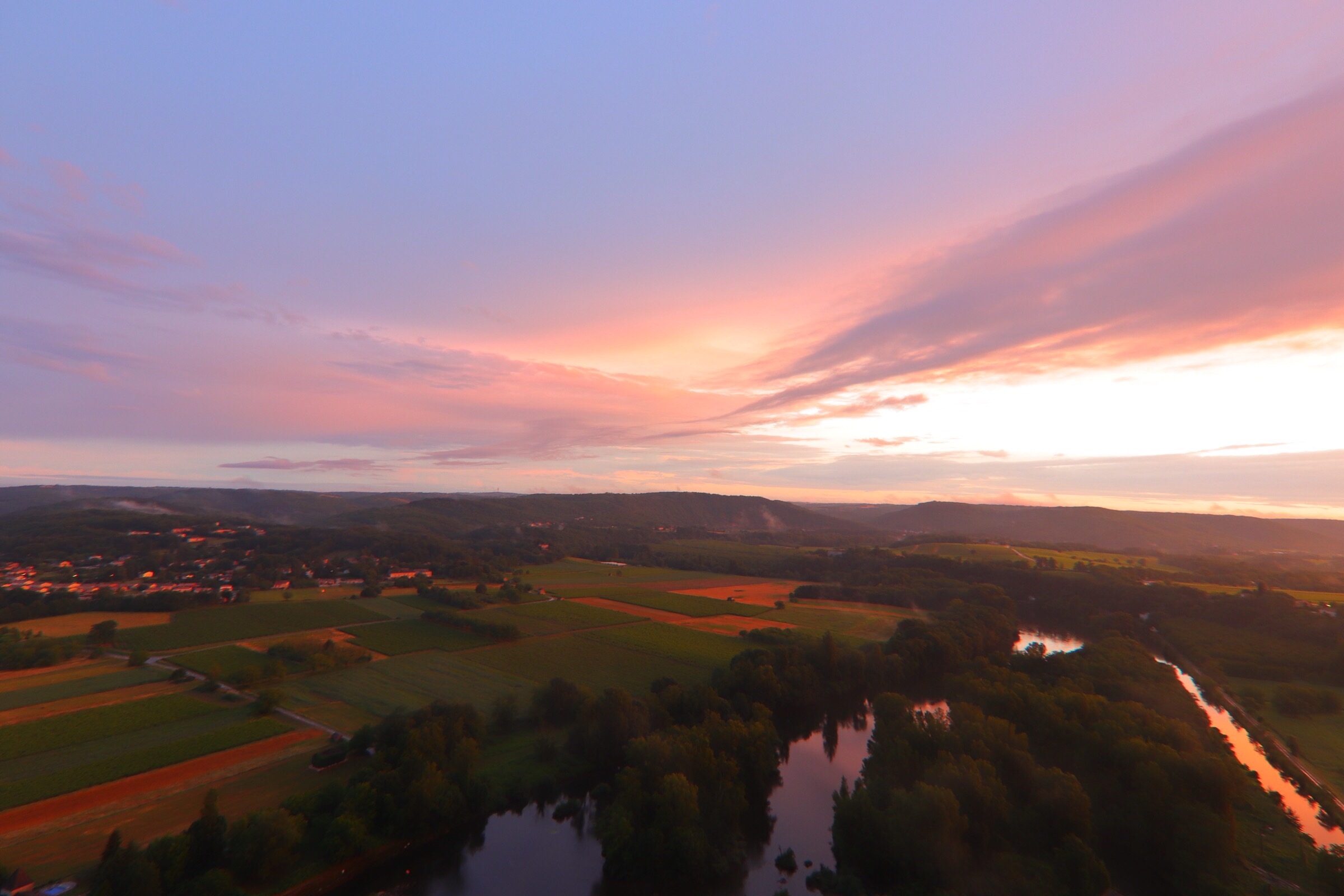
The view from our room was lovely and Albert took some sunset photos over the French countryside.


Condat 

A couple of truly worth while stops we recommend now having done them. First: Grotto du Pech Merle, located in the Valley of the Caves…wow, simply the best cave tour with prehistoric art ~ 29,000 years old. 

(No photos allowed. I guess the copyright hasn’t yet expired on those cave paintings?)

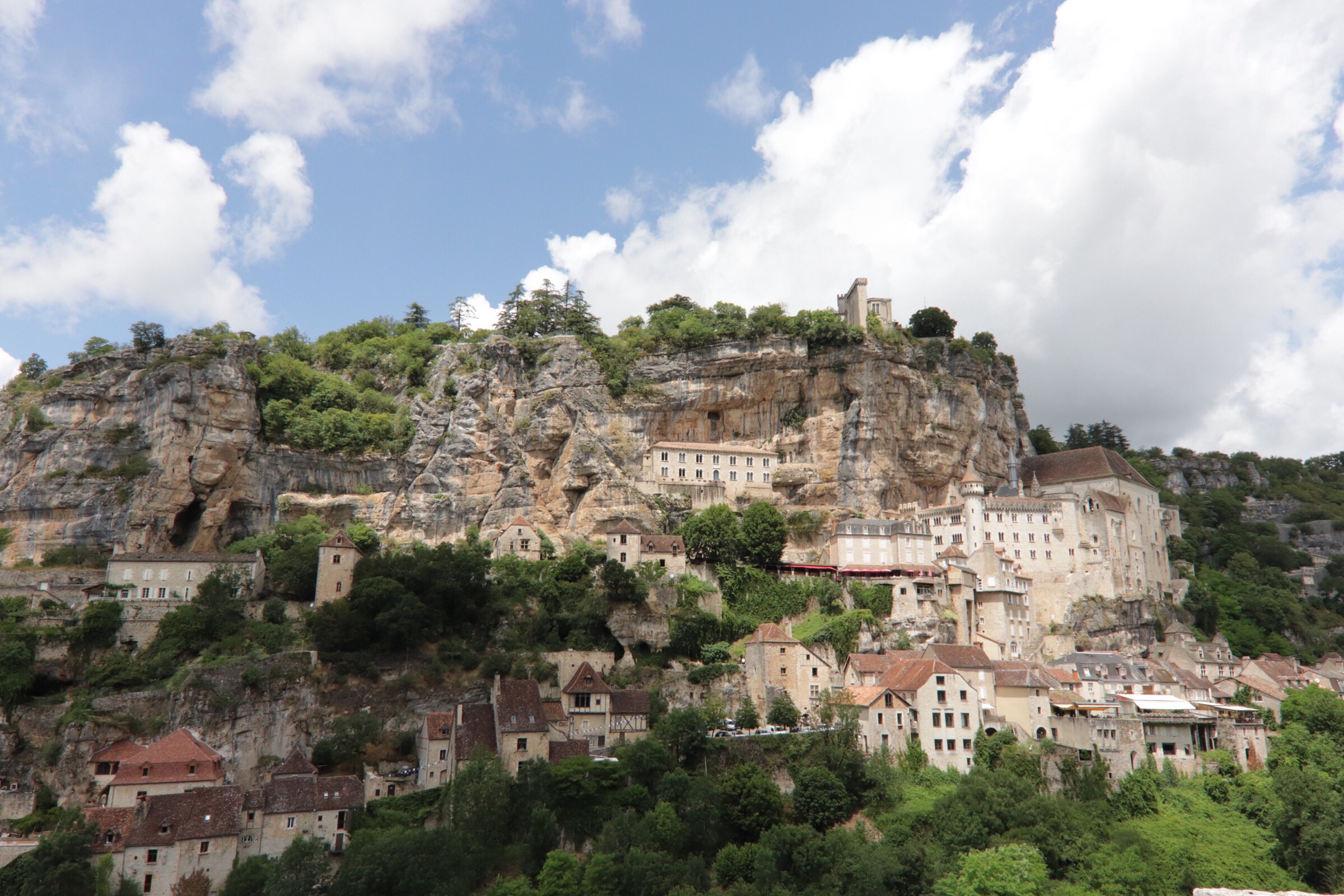
Second: Rocamadour is a village that clings to the cliff side above the river Alzou that is a stop on the pilgrimage path to Santiago de Campostela. Religion has caused people to do all sort of things, like build shrines in simply unbelievable places. 


Another selfie, because.  Also we aren’t very good at these. Why is it that Al is both squinting and has a shadow across his face?  #selfail

Posted in Uncategorized | Leave a comment

What beach?

I have a hard time envisioning a trip to Spain as a “beach trip” – but that is clearly a different point of view from many (northern)  Europeans.  Turns out this is a pretty good beach town (with standup paddle boards and everything).


But forget those pasty folks. This is why we are near the beach:


Yep. Best ever, as reported. I’ll be rethinking ours. Including how to find those sweet prawns stateside. 

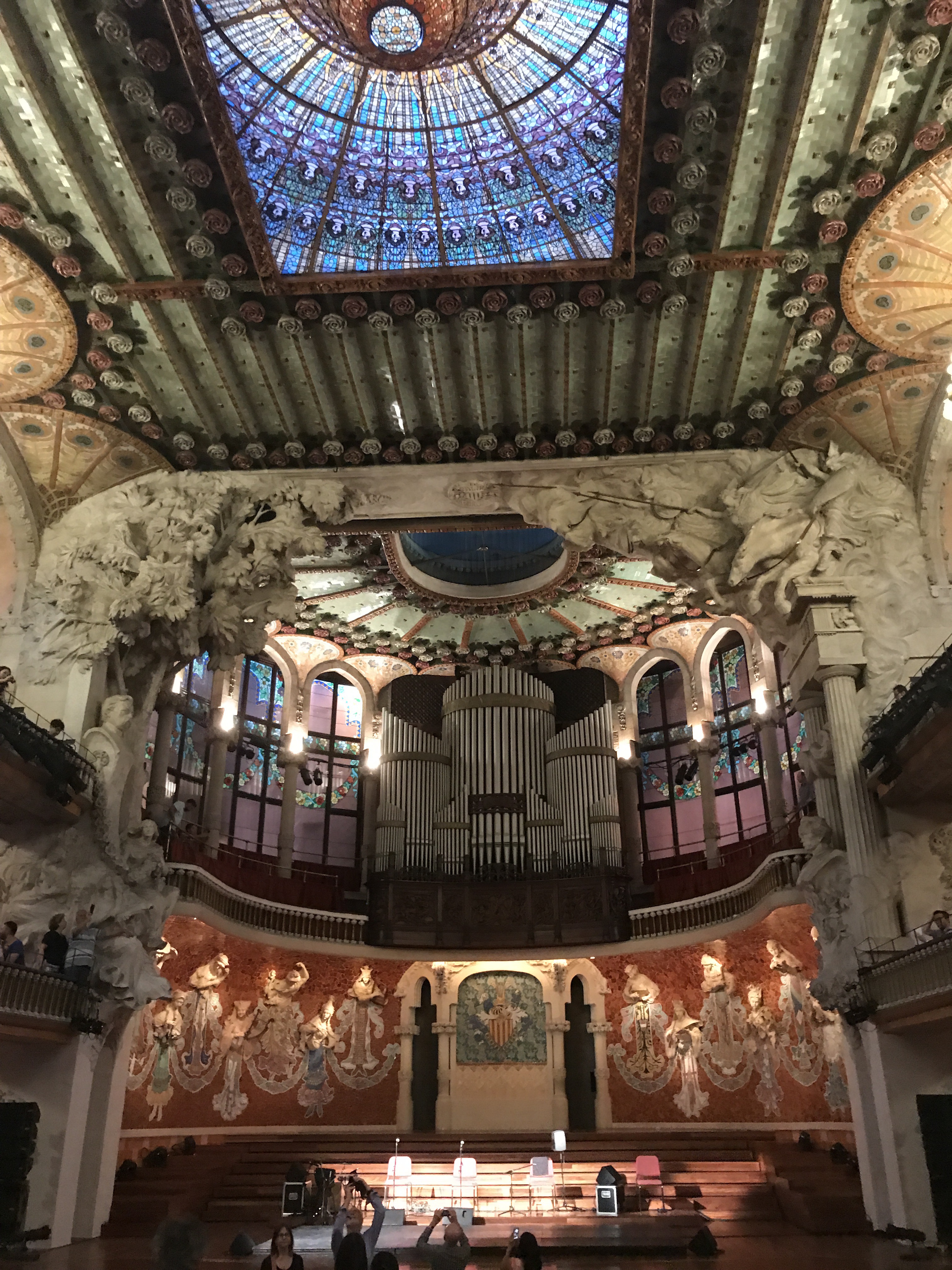
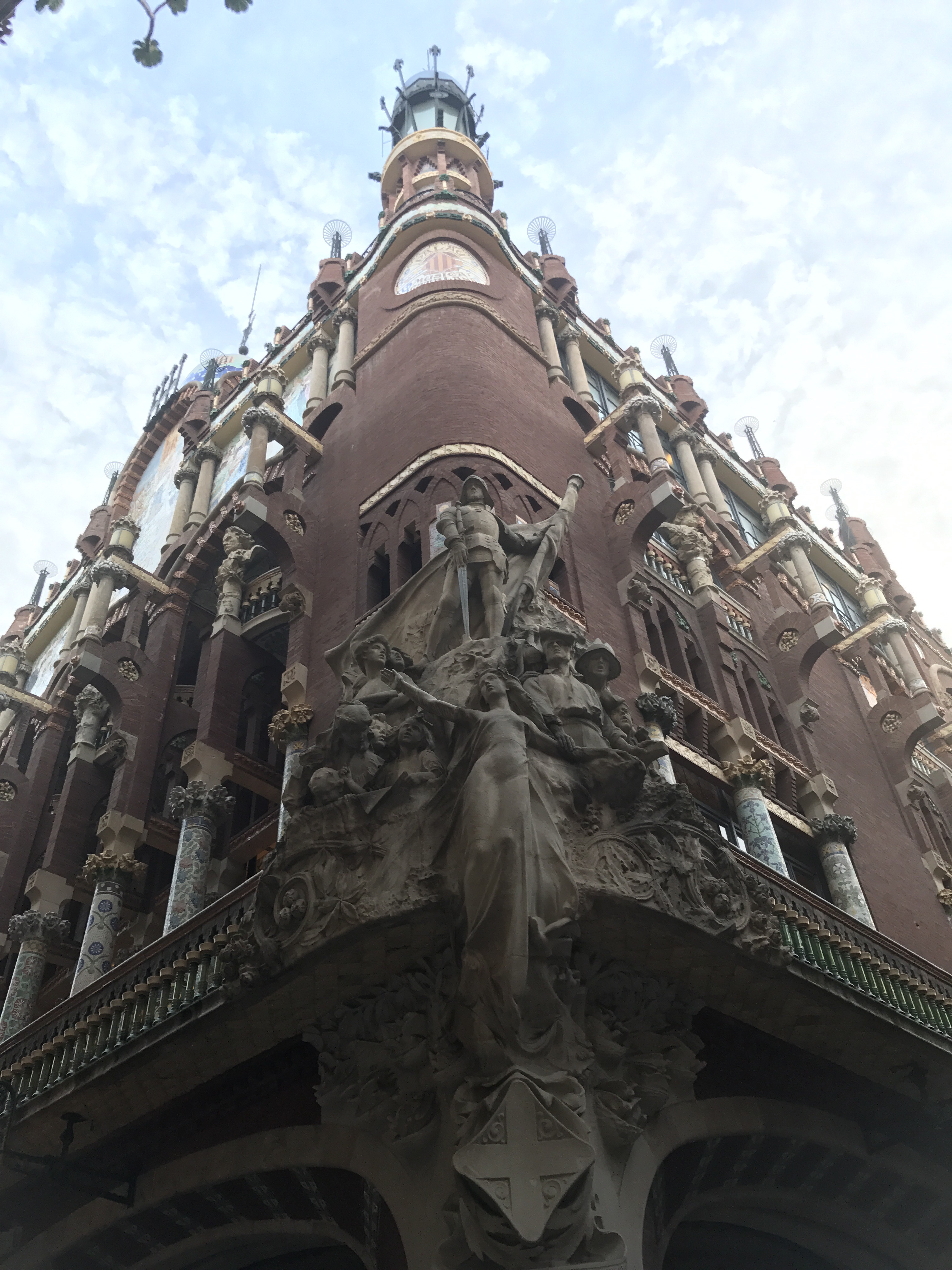
Joining the pasty folks again, we went to a flamenco show at the Palau de Musica. A visually stunning venue (if a bit of an acoustic disaster), it was an appropriate setting for a ridiculously talented set of flamenco dancers and singers who left you wondering how (and why) they perform in that tremendously physical way. 

Posted in Uncategorized | Leave a comment

A little bit of Barcelona

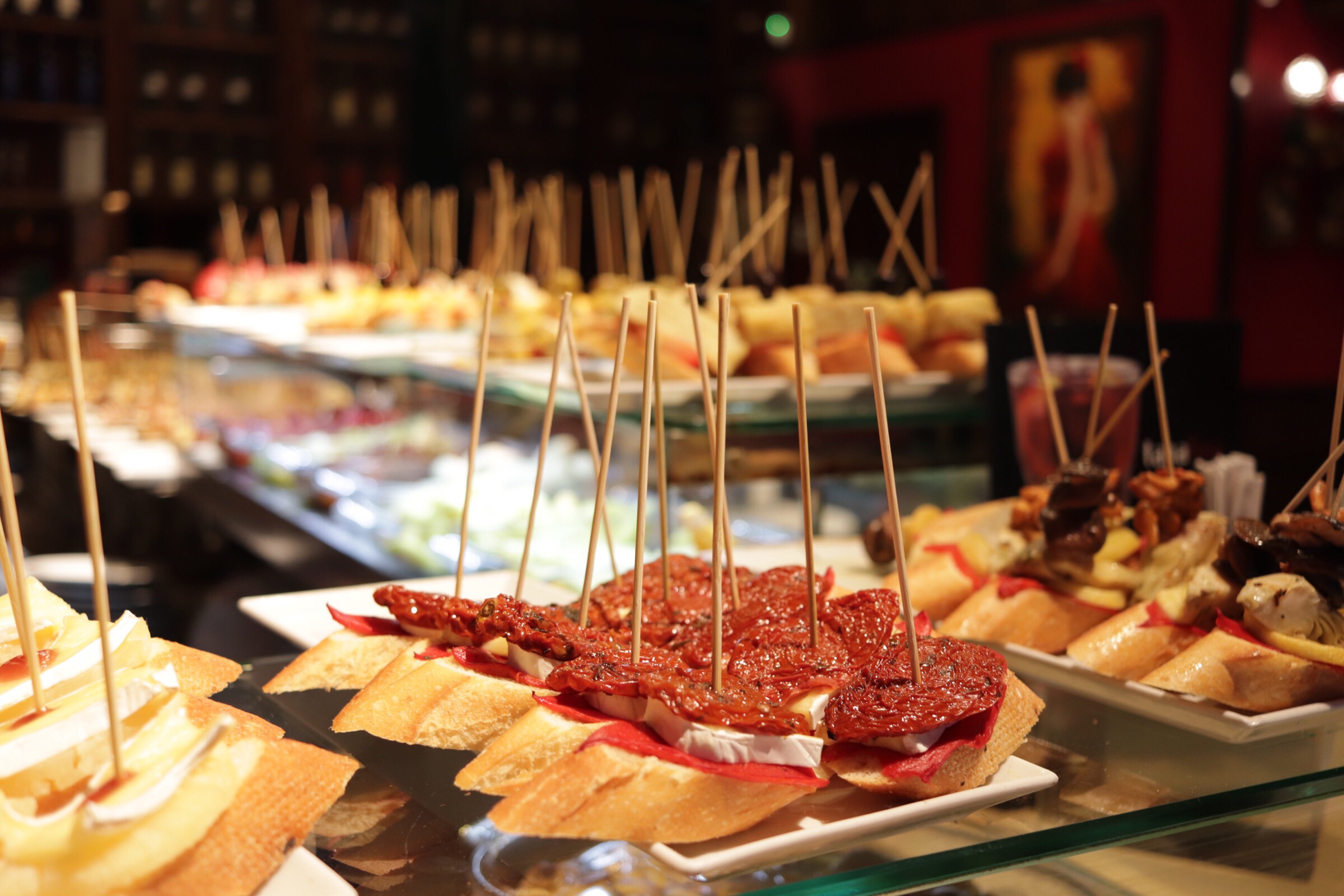
Of course, upon landing in Spain you need tapas right away. 


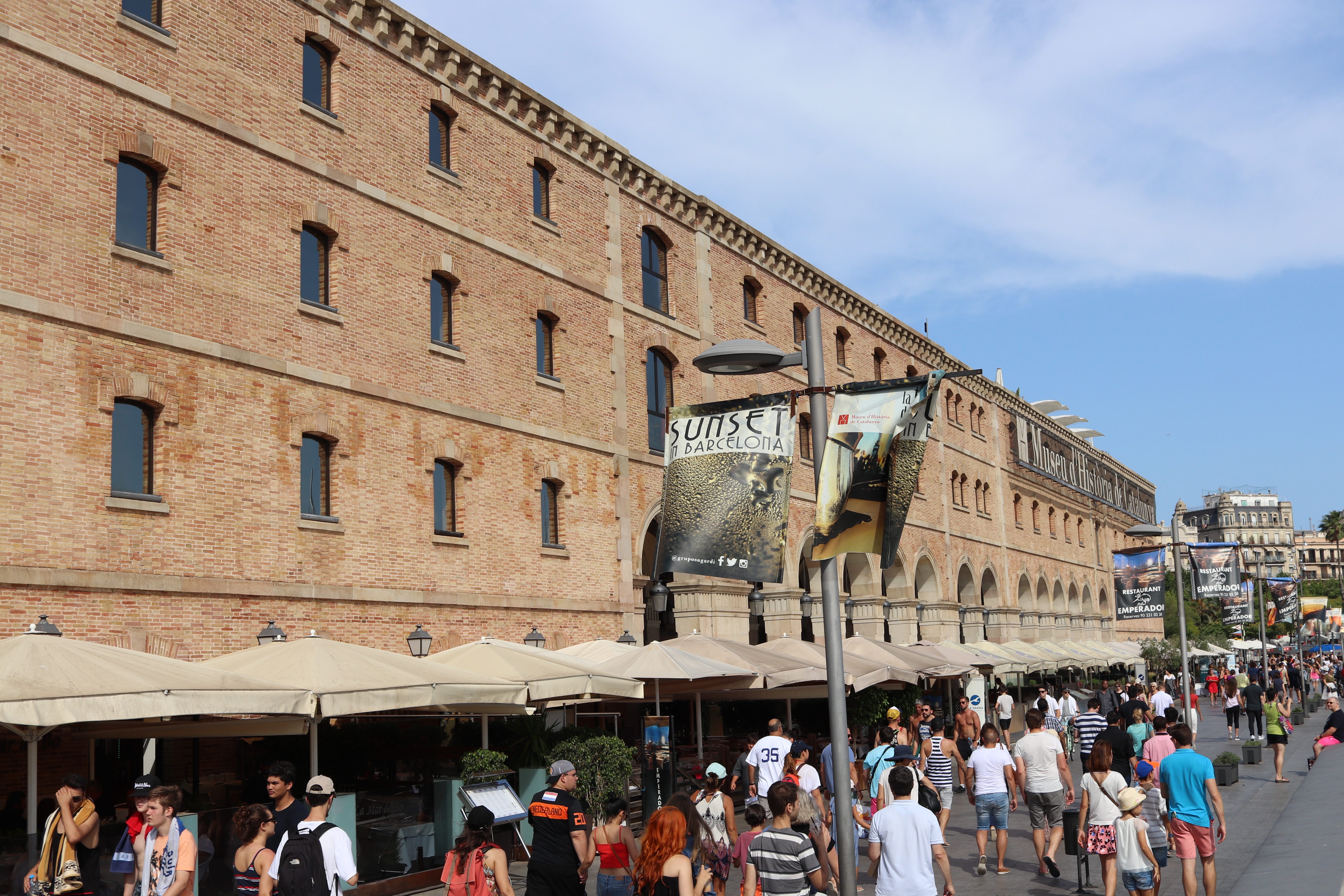
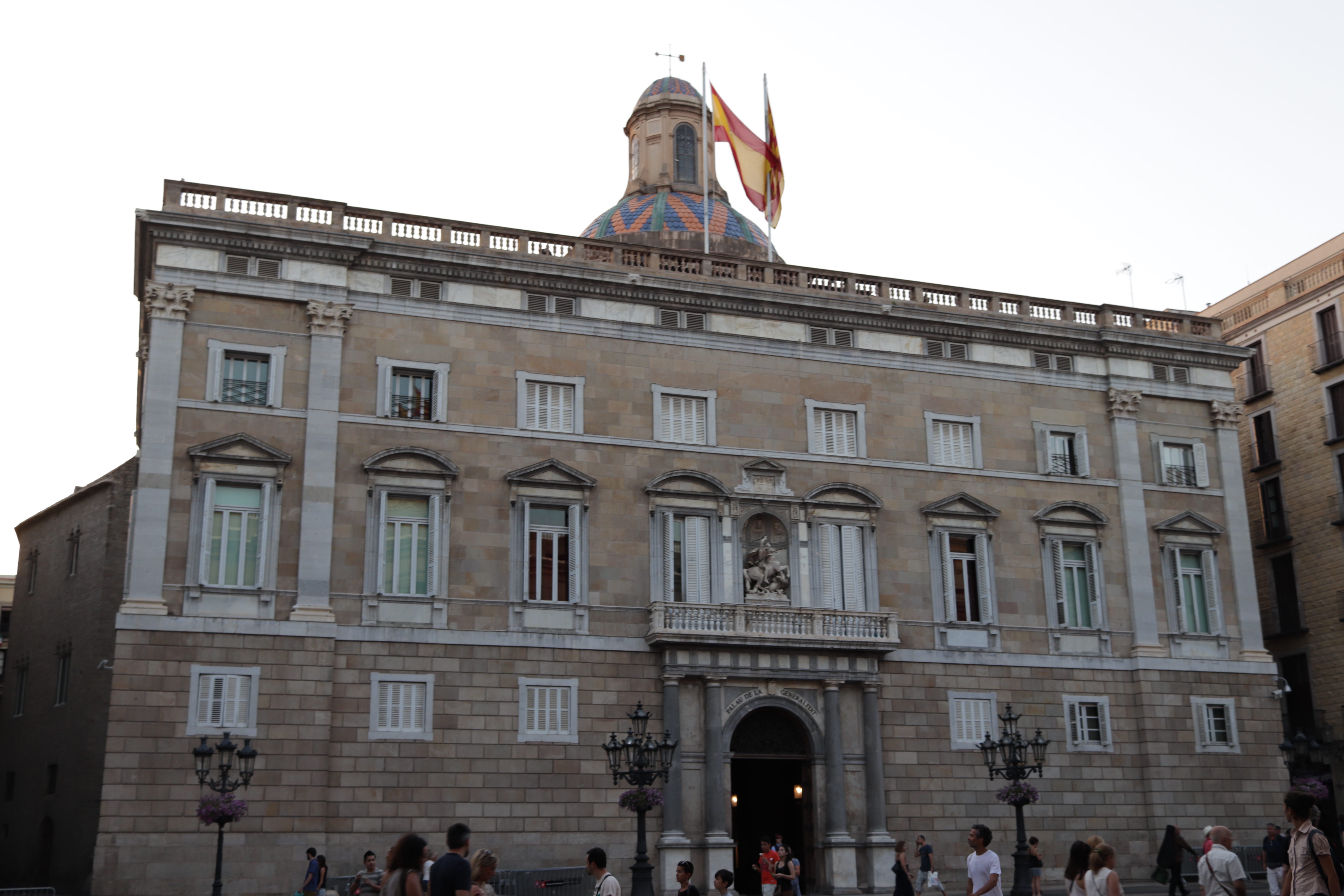
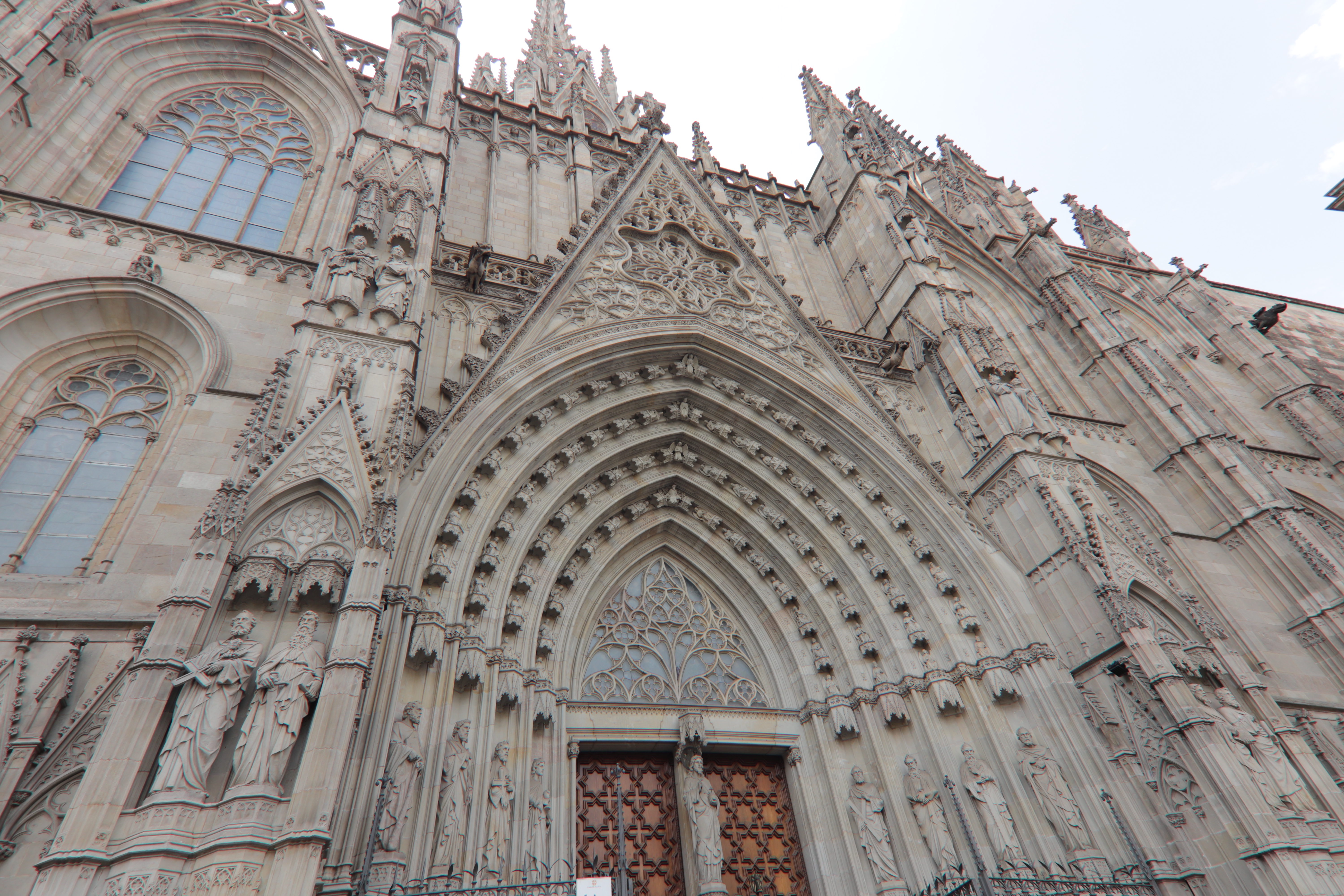
But of course, it’s Spain. So you must wait. Which means tourist walking, taking in the many sights – but not all of them, not yet. 

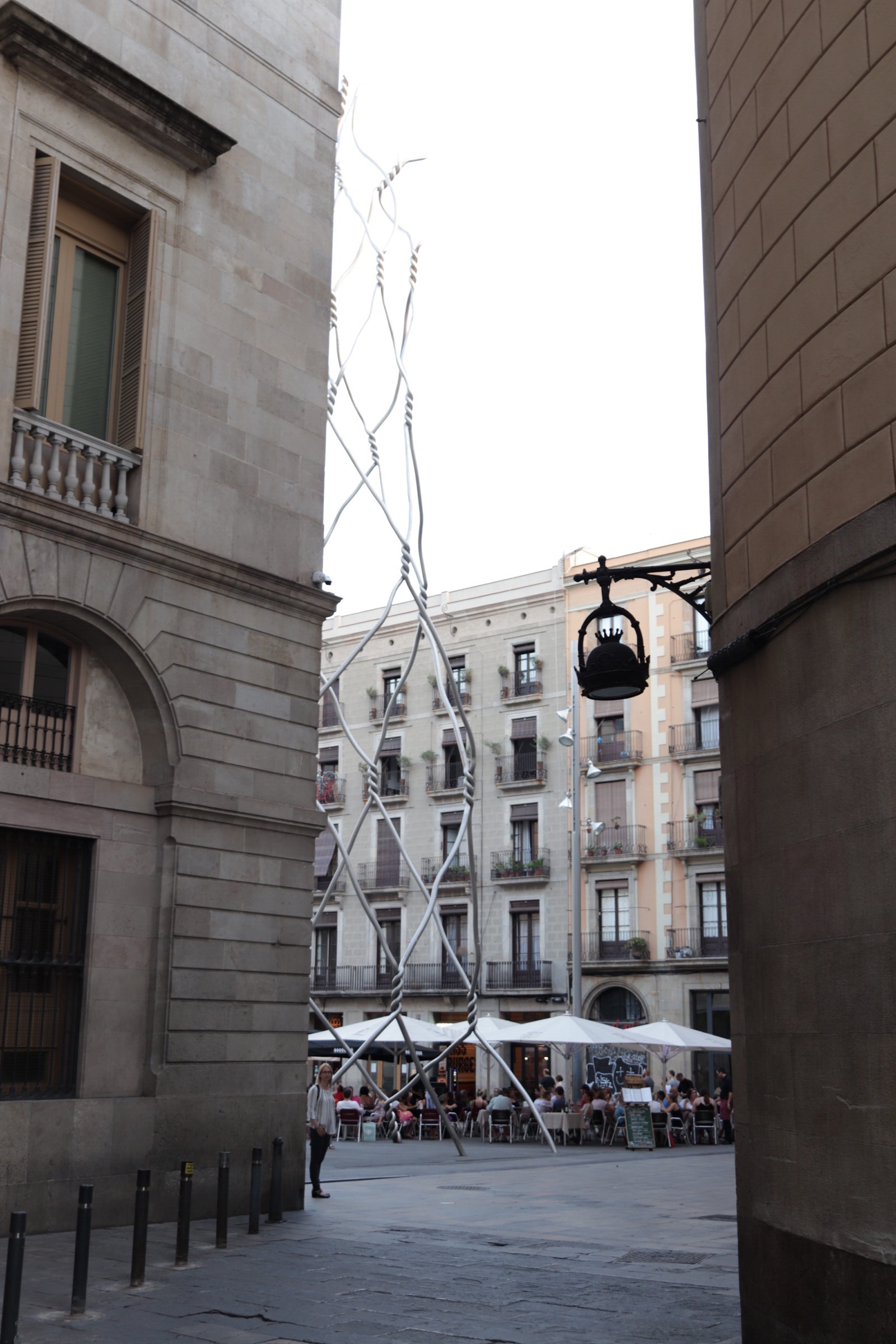
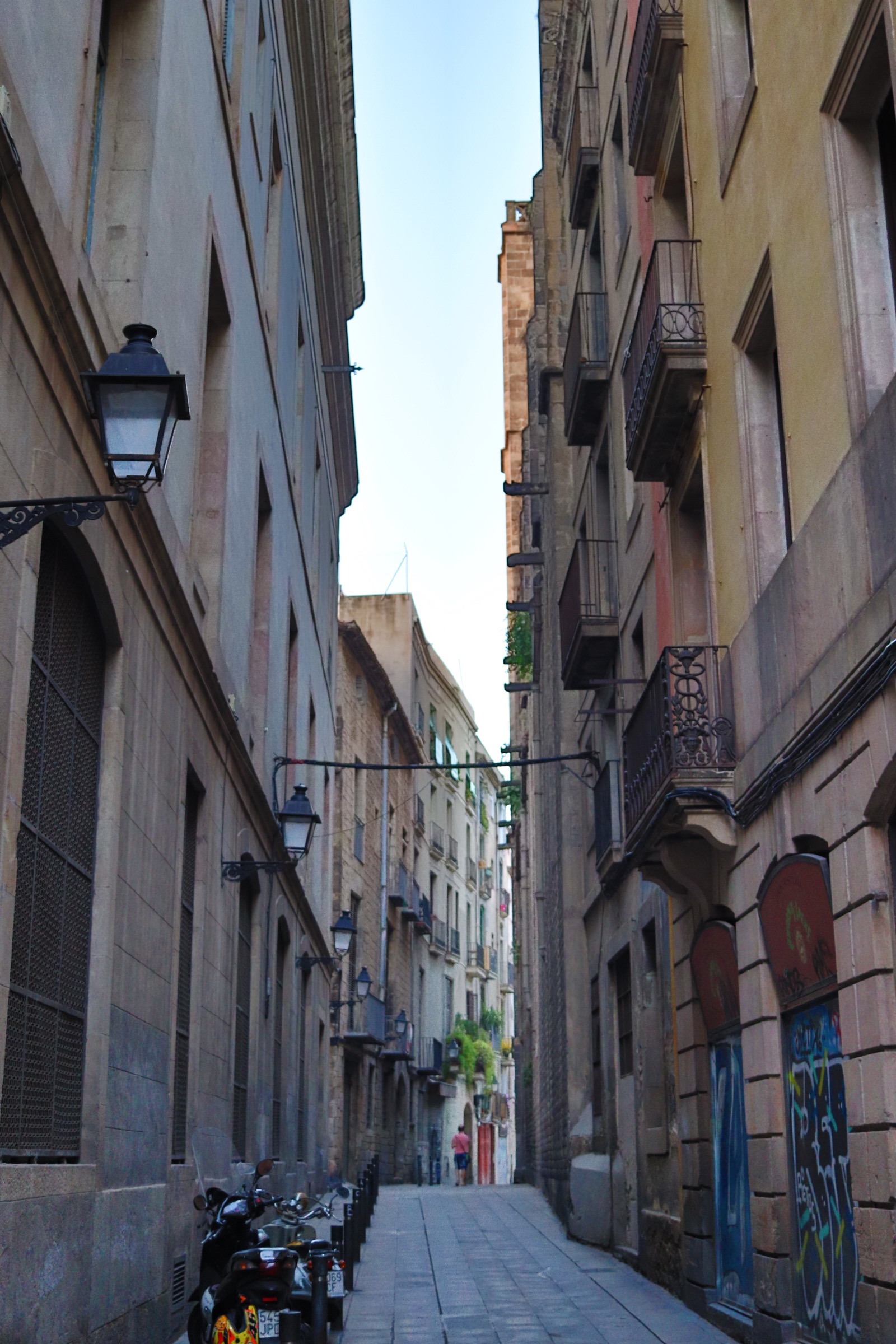
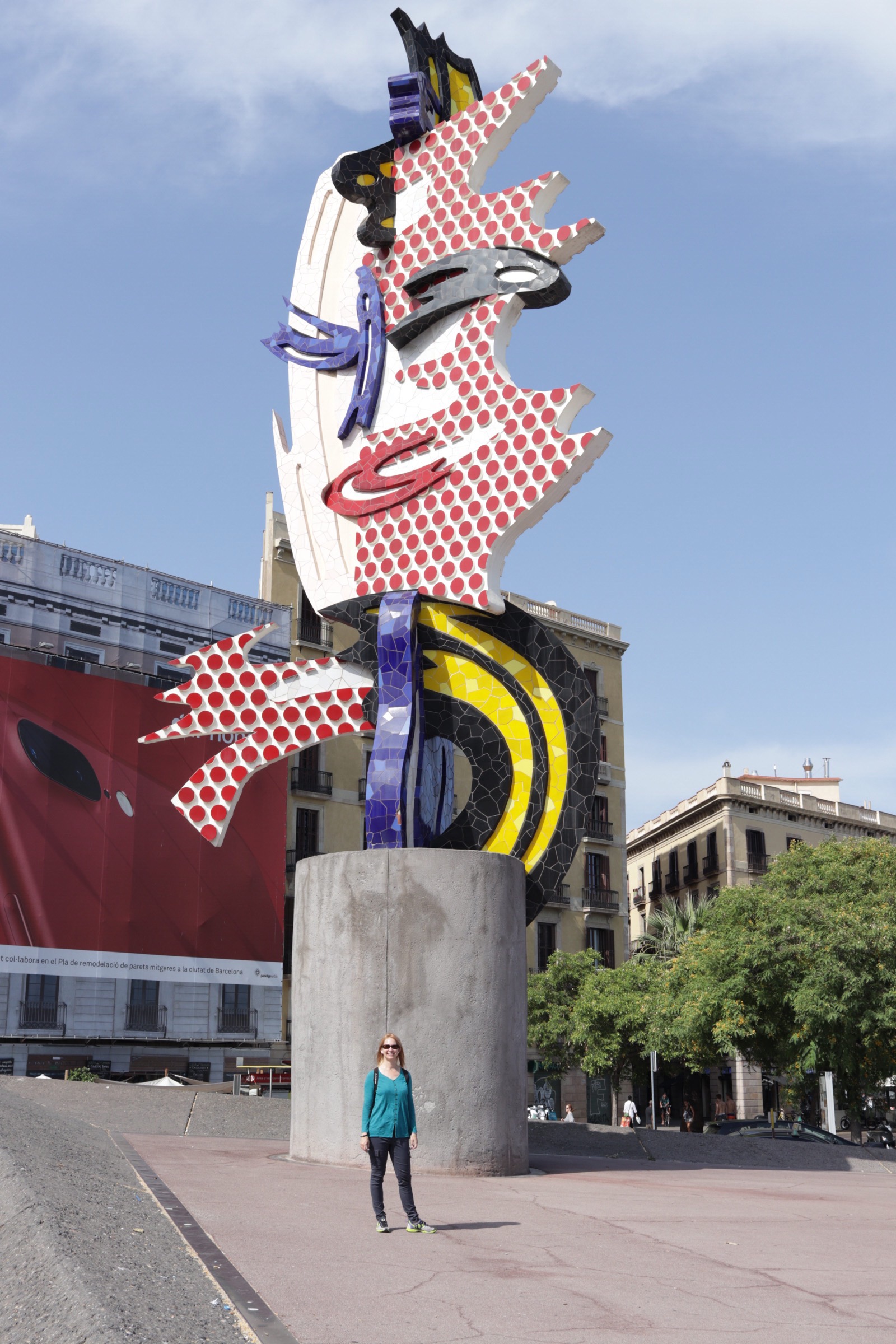
So you stumble upon outdoor art and quaint streets, some enticing deadends, and people urging you to go back to where you came from. 


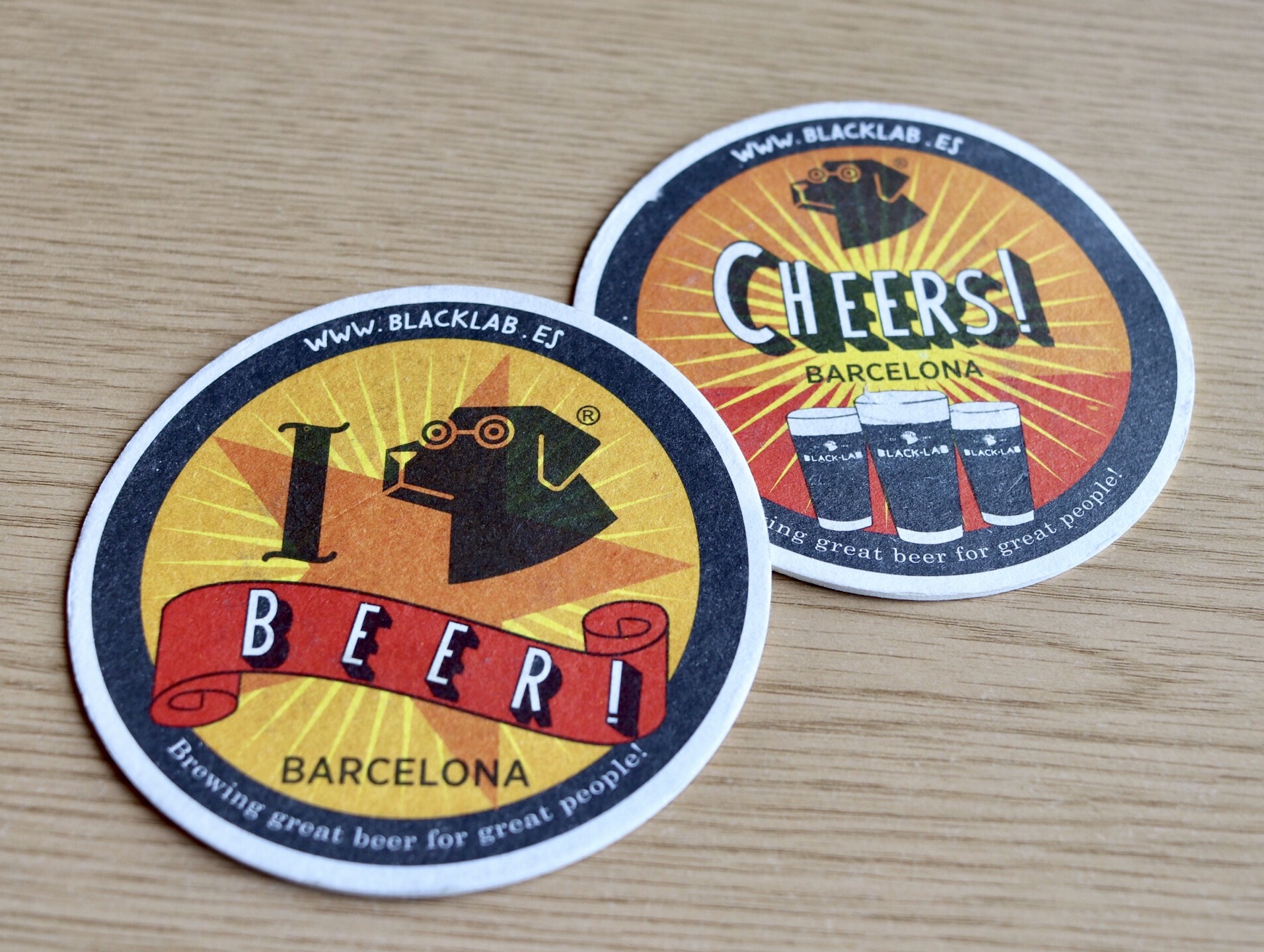
Thirst will get the better of you in the Med, and if lucky, you will find real beer. So yes: I flew 6,000 miles to drink an American-style IPA. It hit my jet-lagged spot.


Then just another little stroll.


Now, almost there. Waiting patiently…


Much better. Now we are in Spain!


Posted in Uncategorized | Leave a comment

Pssst, we’re heading somewhere again…

soon.

If you are subscribed to this, congratulations – you may see more photos and read more nonsense shortly.  Enjoy.  (We will.)

Cheers.

Posted in Uncategorized | Leave a comment

La Rioja

20120709-102229.jpg

20120709-103417.jpg
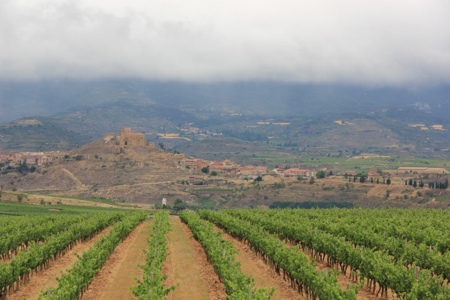
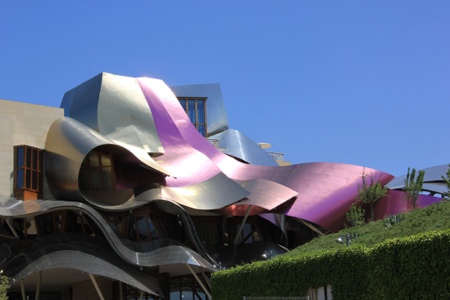
Visiting wineries and wine tasting in Rioja can either be relaxed, personal and educational, or a more commoditized and tortured affair (much like it can be in other well-develop enoturism areas with a mix of large producers and small, family-run joints). We hit a mix of both. Partly because of a reliance on brand recognition and a navigable website, our first stop in Rioja was Marques de Riscal, a reliable producer with tons of experience with the typical tempranillo-based blends of the region. We knew that their exported wines were decent, and given that they had recently made a massive investment in a new visitor center, we hoped that they might provide a good introduction to the varietals, geography and practices of the region.
20120709-102336.jpg
Hey, look! A Gehry!

With Riscal, we got a video introduction, a forced march with a dozen-or-so other folks, and more mentions of their spa than was fair. It did give me an appreciation of the scale required for the global marketing effort, though:
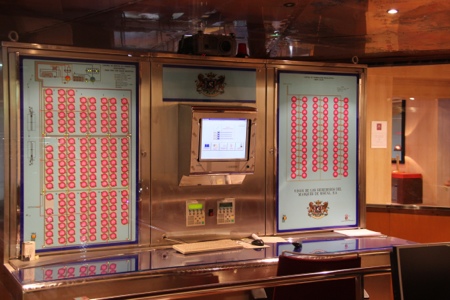
20120709-102432.jpg
Uh, Houston, I think (hic…) we have a problem.

In the end, the wines they offered for tasting, their major-production crianzas, were fine and served to calibrate our palates for the next couple of stops. More on those stops in a minute, because first I should digress to talk about one of our activities while staying in San Sebastian a couple of days earlier: a wine-tasting class focused on the red wines of the Rioja region given at San Sebastian Foods. Our instructor did a very nice job focusing on the peculiarities of the region, both geographical and regulatory (like Duoro in Portugal, wine production here is tightly regulated by the local DOC), and in selecting the wines. I’ll just touch on one aspect here, and commend to the reader who is Interested in more information the video series that we blogged about previously. The DOC controls the maximal yields in the fields, but more immediately obvious to the consumer, also sets minimum requirements for barrel- and bottle-aging for the wines. Depending on the aging process, a wine may be labeled as a “joven,” “crianza,” “reserva” or “gran reserva,” in increasing order of age. In the US, I think I’ve only seen crianzas and reservas. But as we will see, these labels still leave a lot of room for wine makers to express their own styles and create products of varying quality.

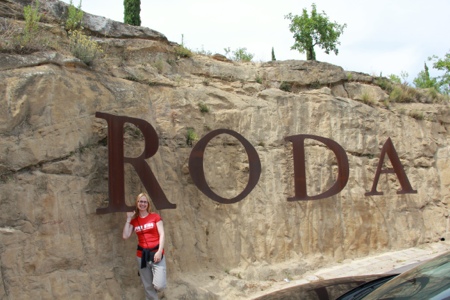
Now, back to our tour. After calibrating our palates at Riscal, we hit our next stop, Roda.

20120709-102537.jpg
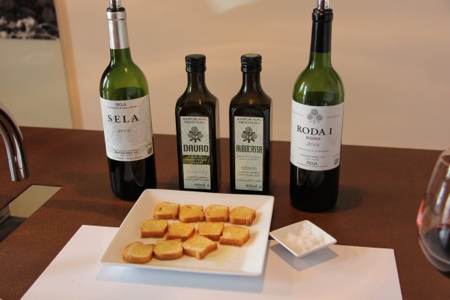
No tour here, just elegant wines in a stylish setting with a knowledgable representative. Along with the wines, we were served samples of their olive oils.

20120709-102642.jpg
The each of the Rodas we sampled were nicely structured, lush, new-world wines, even at the lowest price point. We since have seen that they have achieved some good scores and reviews. Now, to see if we can find them anywhere in the US near the same price we were able to get at the winery.

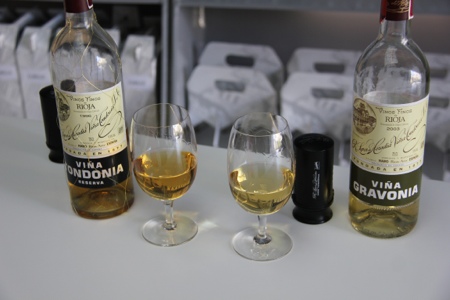
After Roda, we stopped next door at Lopez de Heredia, a stalwart of Rioja, and aside from the decanter-shaped tasting room, one would not ascribe the term “new-world” to any aspect of their product.
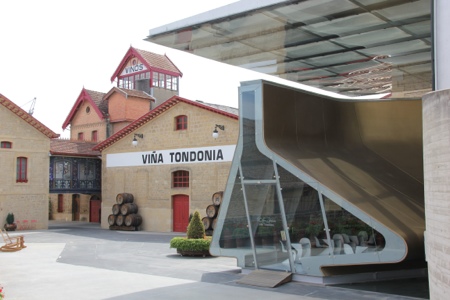
20120709-102804.jpg
Proud of their complex wines, they are typically aged far beyond the required minimum. Where else would you go in 2012 and find that the most recent vintage white available for sample and purchase is from 2003, and the flagship white harkens from the 1990s? They are famous for having a deep cellar, with obvious patience to allow the wines to mature in the style that they wish. The winemaking and marketing are handled by two sisters of the family, and while you get the sense from the almost comical tasting room (sleek NYC lounge meets ticket counter to Hogwarts) that they might have divergent senses of style, I suspect that what’s in the bottle now and what they are saving until they deem it ready would have meet with their grandfather’s and great-grandfather’s approval.

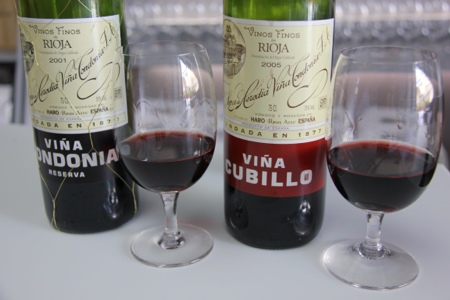
20120709-102919.jpg

20120709-112021.jpg

On an absolute lark, we made one final stop on this very same block, at a winery that we knew nothing about, and were not even sure was open to the public, Gomez Cruzado. We happened to time it well, since the manager had just finished a visit from a critic from Decanter magazine, and there were wines open to pour, and I believe she was in the mood for a little congratulatory tipple. With my courage up from a few ounces of wine, we engaged in a conversation – entirely in Spanish, to the amusement of Laura – about the wine business in the region and the challenges of importing to and competing in the US. Seems that some places that were founded in 1886 still had mortgages to pay. The wines themselves were deep, rich but plenty lively, a stark contrast with Lopez de Heredia, and much more in keeping with the style found at Roda. And here is where the crianza/reserva distinction is only helpful as a first approximation – the reserva from Heredia might as well have been a gran reserva, and the crianzas from each of these there wineries within 200 yards of one another were distinctive.
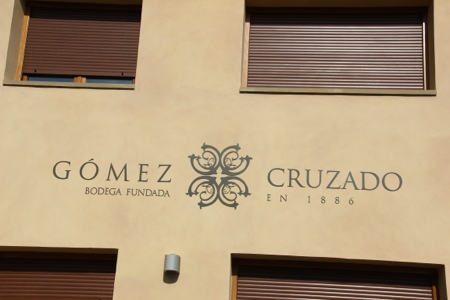
20120709-103054.jpg

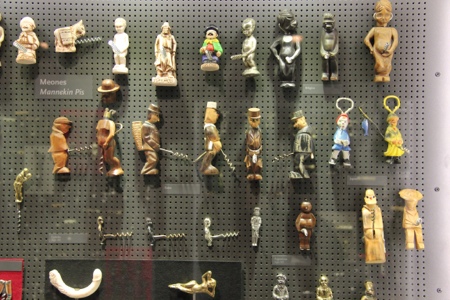
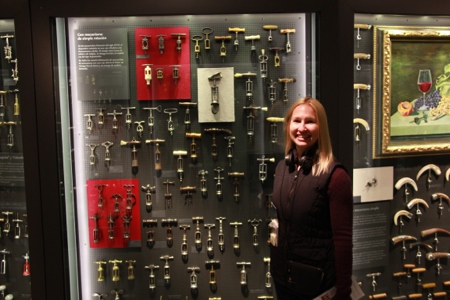
The next day, we began with a stop at the Museo de la cultura de vino, which I expected to be just a couple of rooms with little new information, and a way to kill time in the morning prior to our first appointment. Instead we were surprised by a huge collection of implements, multimedia presentations, and a good historical overview of wine making in the region. Laura has a strange affection for corkscrews, and the wine opener collection alone was worth the price of admission.

20120709-103201.jpg

20120709-103217.jpg

20120709-103230.jpg
I found these more amusing than did Laura:

20120709-103245.jpg

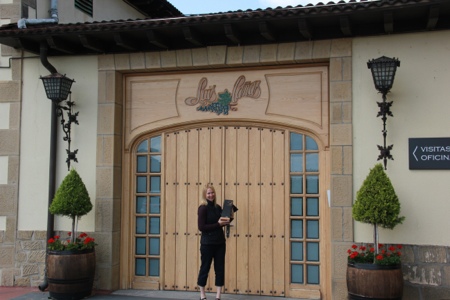
From the Museum, we headed to another winery about which we had read, but didn’t really know what to expect, Luis Canas. We were treated to one of the best tours/tastings of all time. With our knowledgeable, and fully fluent in English, guide, we explored the winery on a private tour and were able to see first-hand how these old wineries are applying science, technology and careful vinification practices to old vines. The results were phenomenal. Along the way, we had a chance to meet Sr. Canas himself, who at eighty-something looks fantastic – olives, red wine and working daily seems to be the key. Had I more courage, or better command of Spanish, I would have asked how he felt about the new practices and technology being employed, but I settled for demonstrating our enthusiasm for his product. Of course, we brought a bottle home, the 2005 “Family Selection” reserva, and though I’m sure it will last years in the cellar, I’m anxious to open it and give it another go. At some point we’ll research what is available back in the US, and maybe make a pitch to our local wine club to carry some of these wines.

20120709-104820.jpg

We then went back to the train station area of Haro to visit Muga. This was a CA-style stop, with an automatic pouring of seven wines and little interaction with the tasting room staff. They do offer tours, as well, so I won’t disparage them for the treatment, especially since we arrived very close to closing time, besides, we were unable to schedule stops at some of the other small wineries that we had contacted. To those used to Napa/Sonoma-style tasting, where wineries are open all day and one could easily stop at ten in a single day, especially if you are concentrating on a particular appellation, in this region of Spain most stops are by appointment only, and are offered only until early afternoon, requiring both advanced planning and judicious selection of visits. Haro is the closest thing to a centralized “wine town” that we found, but it follows the same siesta and late-dinner rules as much of the rest of Spain. As for the wines, no surprise, they were all quite good (with the possible exception of the joven, which I found too candied, but Laura enjoyed as “something different”). Their exported wines are clean and modern, not overly rich and a good representation of the area, but perhaps without quite as much character as some others we had tried.

20120709-104914.jpg

We tried to barge our way into one final winery that day: Bai Gori. We were encouraged to do so by our instructor in San Sebastian, who had worked here in the past, and by the awesome-looking, totally modern, not-wasting-the-view-at-all edifice. We were politely informed that without a reservation that it was impossible, but we somehow managed to get a glass of their crianza (we we had tried in the tasting in San Sebastian), and confirmed that it was a standout. They were rewarded for their hospitality by Laura’s purchase of a necklace in the gift shop. We’ll make a proper stop on our next trip.

20120709-110317.jpg

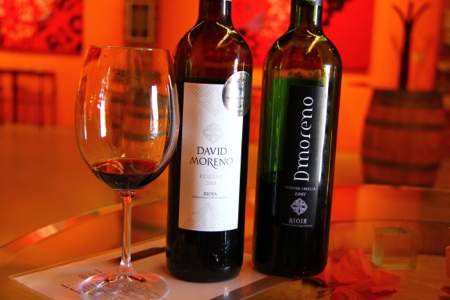
The final stop, the next day as we headed south towards Madrid and our impending departure, was at David Moreno. Another old-style winery that is making new-style wines. A very nice stop, though a bit out of the way of the Haro-to-Logrono corridor where most wineries are found. There is a self-guided tour through the production facility and barrel room, followed by a tasting of just about anything they make, it seems. We took with us a nice Reserva, but it didn’t make it home – consumed with our final picnic of “banned” (in the US) cheese and pork products. That highlights one of the nice things about the Riojan grading system: that you can be fairly assured that a wine, though it may do well with additional aging, is ready to drink when released.

20120709-110856.jpg

20120709-110908.jpg

I found my barrel! But it was too big to check with our luggage, so I had to leave it behind…

20120709-110916.jpg

Posted in Uncategorized | Leave a comment

Mugaritz

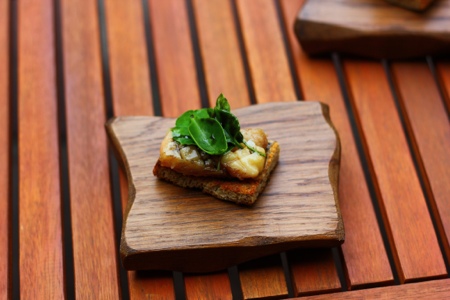
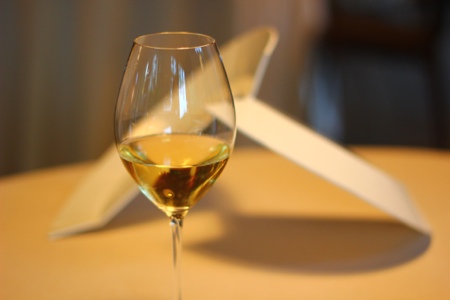
One of the bastions of Basque/Spanish avant garde cuisine, too many accolades to recount, and the sort of reputation for obsessive attention to detail that makes you worry that you might not be an adequate customer. No worries; they make it clear that they are happy to welcome you, and set you at ease right away. The quick supply of an aperitif and the relaxing setting, as well as their apparent sincerity, set the mood for fun and adventure. We had both, and some stonking good food as well, of course.

20120704-232424.jpg

20120704-232431.jpg

20120704-232440.jpg

20120704-232448.jpg

We were informed that the night’s menu was to consist of 20 courses, the first parcel of which (5 or so) were meant to be eaten solely with one’s hands. Since we had lovely seats on the outside patio and very agreeable weather, the notion of hand food and cava suited us nicely, and was quite a departure from what one might expect from such an establishment. We were asked two important questions to begin: did we have any food allergies and/or aversions, and whether we wanted to know the menu in advance. We answered both in the negative. And I’m glad we selected that approach. I’ll provide photos for each course, but won’t describe most of them in great detail here (I’m on vacation, you know.)

The “outdoor” courses; the stand out for me was the anemone course. Just a few days ago I mentioned that geoduck was the sole remaining weird seafood for us – nope, as apparently certain anemone are edible (and delicious, much like sea urchin). Laura’s favorite, and certainly the most forehead-smacking dishes of the starters, was the tempura-fried oregano blossom. Simple, transformative, completely new and delicious.

20120704-233156.jpg
Flax and wheat “Kraft” paper with marine accents

20120704-233208.jpg
Oregano tempura

20120704-233221.jpg
“Fishbones” with nuances of lemon, garlic and cayenne pepper

20120704-233230.jpg
Marine chords of a crispy woodwind (staring sea anemone)

20120704-233241.jpg
Grilled toast of bone marrow with herbs and horseradish ash

Then we moved inside, moved on to a 2009 Penedes called Electio, and our more formal table setting, though with enough space and energy in the room to encourage full, open conversation (which may have occasionally touched upon what others were eating – each table is not served the same 20 courses). Service was consistently attentive, respectfully but never overbearing – quite an accomplishment when the staff outnumbers the guests. I’ll provide photos of each of our courses, but comment on just a few.

20120704-234402.jpg

20120704-234410.jpg
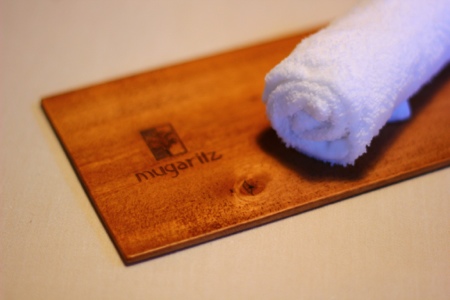
The wine was poured, the hands were cleansed, and we were ready for whatever was to come.

20120704-234537.jpg
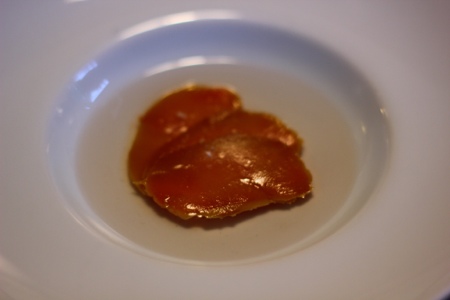
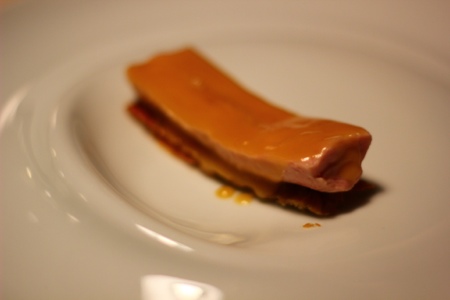
Slices of foie gras cured in clay and peppercorns; bath of apple extract.

20120704-234627.jpg
Tomato “Provençal”

A quick trip to the kitchen for an introduction to the night’s chef de cuisine and a few of the folks on the line, as well as one of the most remarkable dishes of the night (not pictured) – a blood macaroon with a blue cheese filling. Remember when they asked about food allergies and aversions? Let’s just say that they double-checked before springing this surprise. The cookie was essentially an Italian merengue using fresh blood in place of egg white, and blue cheese where a sweet filling might otherwise have been. I don’t know how many sous chefs bled into a standing mixer before they realized that they could achieve the same consistency with blood as they could with egg white, but it was quite a treat.

20120704-234718.jpg

20120704-235529.jpg

Back to our table to contemplate the lesson imparted: that ancient food stuffs could be treated in modern ways to yield products that were familiar at first impression but completely new, and that we had much left to explore. Back to the tasting.

20120704-235925.jpg
Artichoke and Iberian ham “tatin” with clam chantilly

20120704-235959.jpg
Hazelnut and bean stew (with a confectionary “mother of pearl”)

20120705-000030.jpg
Ravioli of aromatic vegetables. This dish went on and on and on, in a very clean, fresh, aromatic and savory way. Deceptively simple, but unlike anything before it in execution.

20120705-000301.jpg
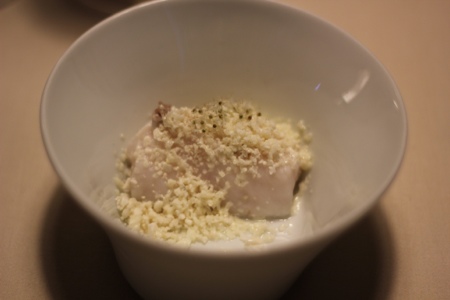
Roasted loin of hake with clashing grains of aged mascarpone, cauliflower and fresh almonds. Possibly Laura’s favorite dish.

20120705-000354.jpg
Coastal fish with crunchy trimmings of aged sourdough and sweet pickled onion. A dish so good, it was half eaten before I remembered to photograph it. The messy presentation is my fault alone.

20120705-000525.jpg

20120705-000537.jpg

20120705-000546.jpg

20120705-000557.jpg
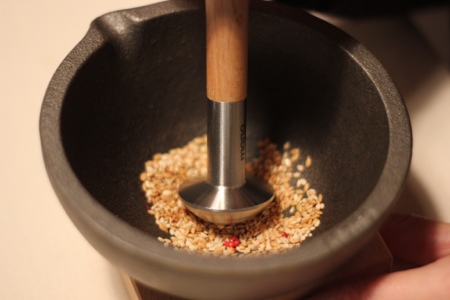
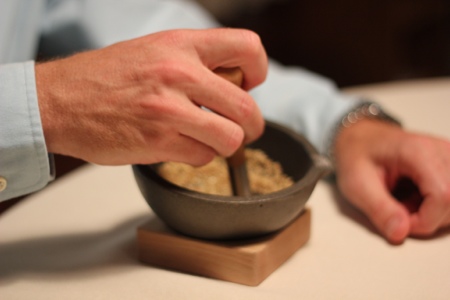
Bonding…” toasted seeds and spices served in a mortar and vegetable broth. This was certainly the most memorable dish of the night. Imagine a restaurant full of metal-on-metal clanging, laughter and loud, excited chatter – you likely aren’t picturing a “fancy” restaurant in a pastoral setting – yet here we are, every guest forced (asked) to grind his or her own toasted seeds and nuts to create the base for a soup. First confusion, then polite tapping and finally seed-crushing cacophony. The communal aspect of it brings the experience of all the diners together, and the festive clatter amuses the waitstaff who cajole those who may be too shy in their approach to the pestle. It is completely disarming, this campy audience participation, and a minor miracle that the staff is able to coordinate the service such that each table undertakes this chore simultaneously. The final product was good, too.

20120705-002008.jpg
Crispy and tender sweetbread with slices of “brassica,” bitter leaves and artisan praline

20120705-002100.jpg
Breast of guinea fowl with lobster emulsion and its roasted skin. This was probably the only “not-excellent” dish, though I did very much like the refined take on chicharones.

20120705-002137.jpg
Light dices of sculpted apple with figs; crunchy dark chocolate and mint. Like apple pie deconstructed, this was really wonderful.

20120705-002234.jpg
Small bite of milky wafer with lemon ice cream

20120705-002315.jpg
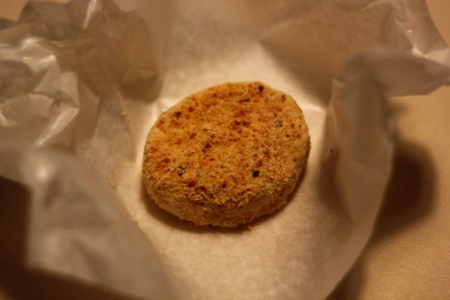
“Traditional” almond fairy cake

20120705-002350.jpg
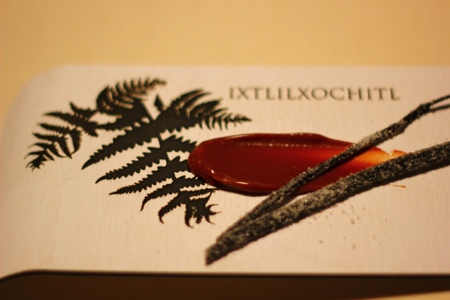
Vanilla-fern. Essentially, a vanilla “bean” made from local herbs and served with a luscious chocolate. The Mayan word for “black flower” appears on the plate.

20120705-002444.jpg
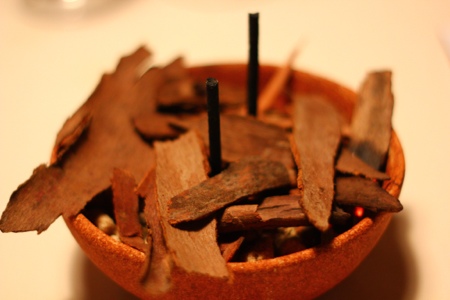
Candies of frankincense; perfume of eucalyptus bark. Complete with a few glowing embers to ensure a nice atmosphere.

20120705-002556.jpg
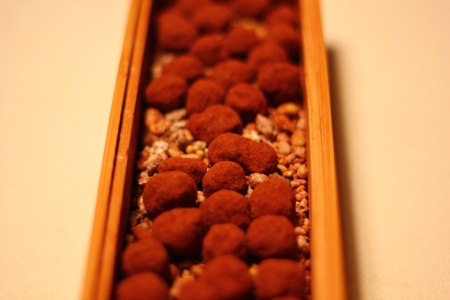
Finally, something to amuse ourselves with while waiting for the check to arrive: truffle of hazelnut.

Posted in Uncategorized | Leave a comment

San Sebastian

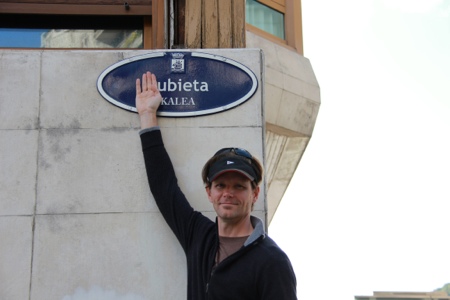
Great city: good food (more Michelin stars per capita than anywhere else, supposedly), very pretty, nicely kept, walkable and some reasonable surf. La Jolla of the Basque coast? BUT, they keep spelling my name wrong.

20120704-231012.jpg

20120704-231020.jpg
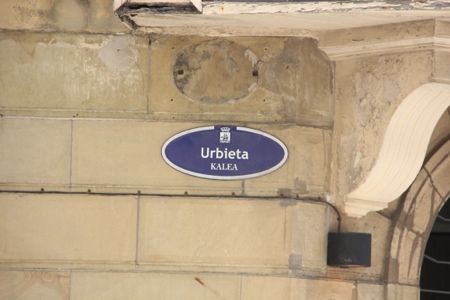
So I fixed it.

20120704-231045.jpg

Good pinxtos here, as well as a good English-based eno-/gastro- tourism school/experience. We took a crash course which, in combination with our prior reading and research gave us a pretty good feeling heading toward La Rioja wine country.

20120704-231235.jpg

20120704-231246.jpg

20120704-231252.jpg

More on all of this later, as well as the highlight of our trip – dinner at Mugaritz.

Posted in Uncategorized | Leave a comment